
Puerto Rico governor signs new Judiciary Act over the chief justice's objections
Gov. Jenniffer González signed Senate Bill 1096, replacing the 2003 law that governs the island's courts. Chief Justice Maite Oronoz Rodríguez had urged a veto and now says she will study her options.

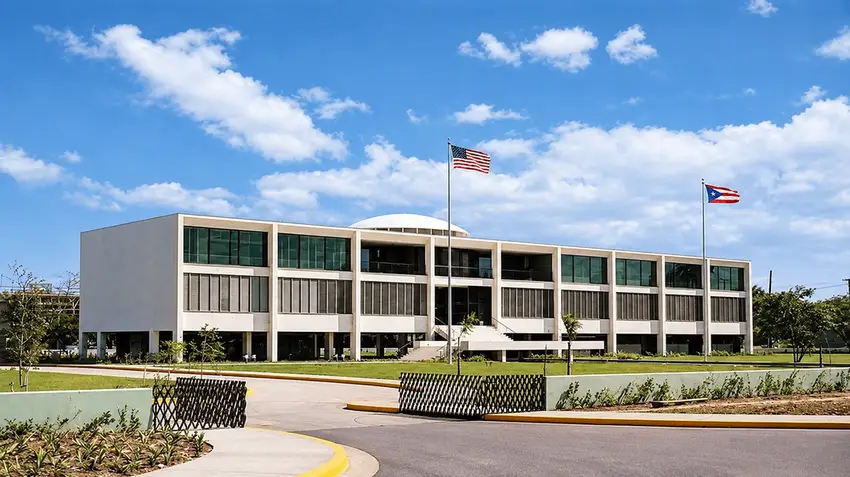
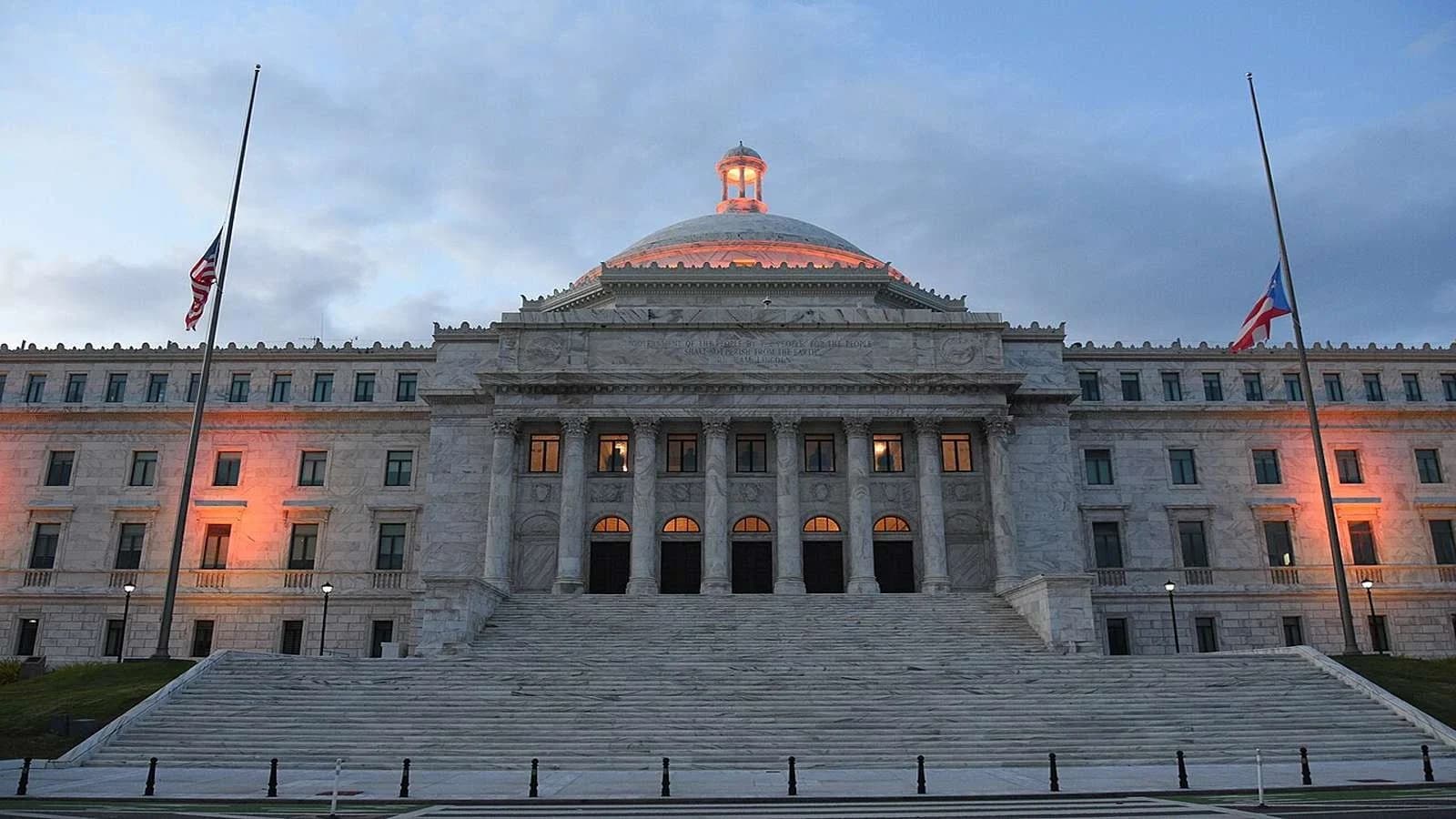
The Puerto Rico Supreme Court building in San Juan
Gov. Jenniffer González Colón signed a sweeping rewrite of Puerto Rico's court laws on Tuesday, siding with the Senate over the objections of the island's chief justice. The measure, Senate Bill 1096, creates a new Puerto Rico Judiciary Act and repeals Act 201-2003, the Judiciary Act of 2003 that has governed the courts for more than two decades, according to a statement from La Fortaleza reported by Notiuno. It also amends other laws tied to the judicial system.
The bill was written by Senate President Thomas Rivera Schatz. Its backers say it will make the courts more effective and modern. As filed in February, one of its biggest changes was to eliminate the category of municipal judge, folding all trial-level judges into a single rank of superior court judge.
You might be interested in
The signing came after several days in which the governor said publicly that she was still reviewing the bill. It also arrived at a tense moment between González and Rivera Schatz, who have been trading criticism in recent weeks over how the government is run and over ongoing legislative investigations. Opposition groups had joined the chief justice in asking for a veto. La Fortaleza's announcement did not say when the new structure would take effect or which law number it was assigned. The governor signed three other measures the same day, including one that raises from 70 to 75 the age limit for renewing a driver's license online.
Chief Justice Maite Oronoz Rodríguez responded within hours. In a written statement carried by Metro Puerto Rico, she said she deeply regretted the decision and that the court had raised serious constitutional and operational concerns with lawmakers and with the governor directly. Those concerns, she said, were never answered as the bill moved through the legislature.
Her main objection is about who gets to make decisions. Oronoz argued that the new law shifts authority over essential court administration to other officials without changing the responsibility the Constitution places on the Office of the Chief Justice. In her words, that mismatch between who decides and who answers for the results raises serious questions about how the courts will be run and how quickly they can respond.
She also warned of practical effects. The changes, she said, could disrupt how resources, staff and services are managed across the island's judicial regions, and could affect how well the courts serve the people who rely on them. "This is not merely an organizational matter," she said.
What happens next is not yet clear. Oronoz did not say what she might do, only that her office will carefully examine the law's reach and consequences and weigh the legal and institutional options available. She added that she will keep carrying out her constitutional duties and working with the associate justices and judges, and that she will keep defending the independence of the courts.
For now, Puerto Rico has a new legal framework for its judiciary, and the head of that branch has said on the record that she believes it raises serious constitutional questions.