
Trump says he will accept the midterm results and work with Democrats, but keeps his veto threat
As Democrats took Congress, the president said he was open to deals, blamed his absence from the ballot for Republican losses and stopped short of fully backing Speaker Mike Johnson's future in leadership.

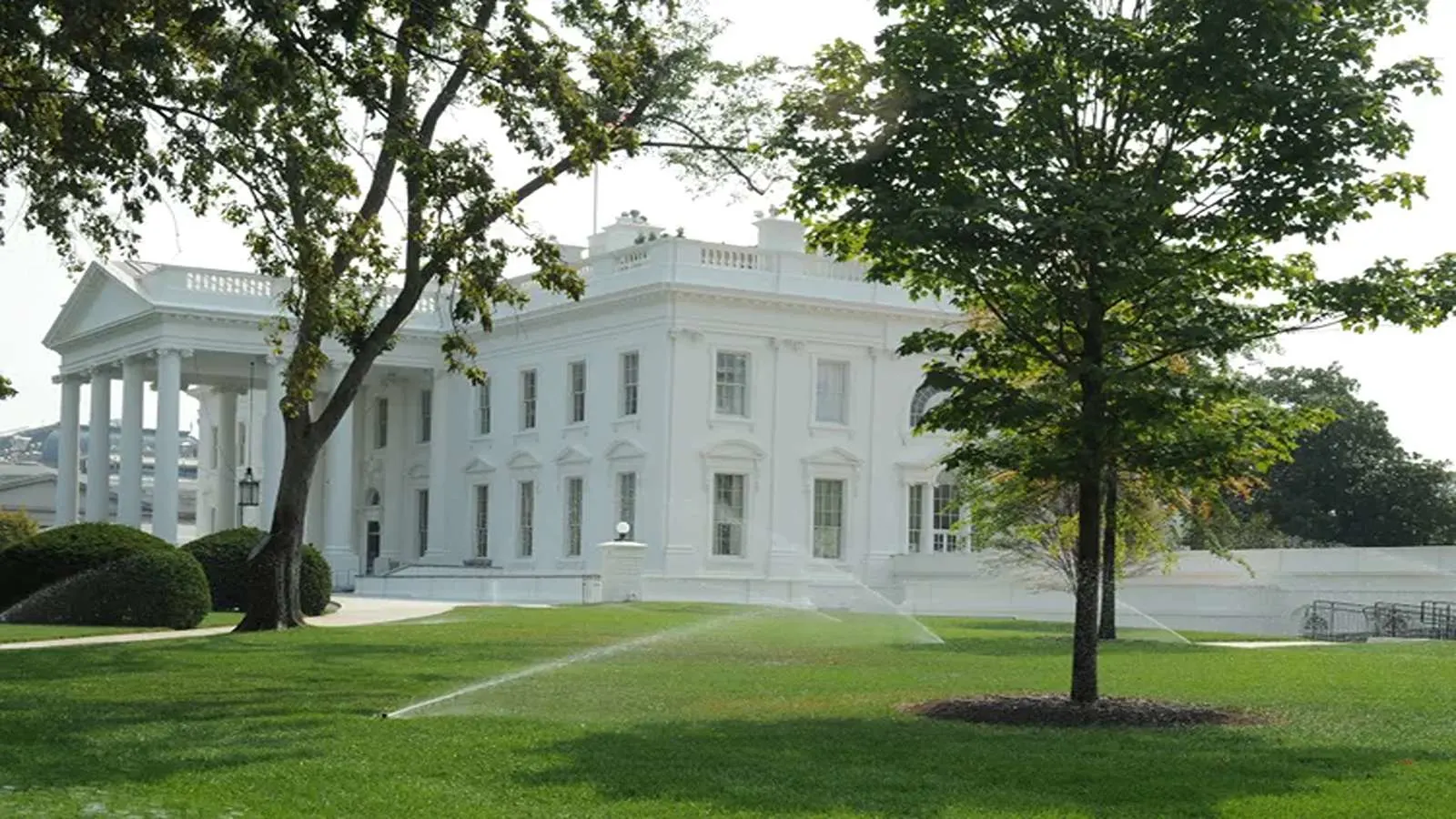
The White House, where President Trump watched election returns on Tuesday night
President Donald Trump said Tuesday night that he is willing to accept the midterm election results and work with Democrats, even as he made clear he intends to use his veto pen. Speaking to The New York Times shortly before 10:30 p.m. Eastern while watching returns at the White House, he said he was "absolutely willing" to accept the outcome, according to NBC News.
The conciliatory tone came after a very different message earlier in the day. In an interview with CBS News before polls closed, Trump said he held what he called the ultimate power, the veto, and he embraced the nickname "Mr. Veto" for a Congress under Democratic control. Later, on a Politico livestream, he said he would work with Democrats but would not hesitate to veto bills he did not like. Before the vote, he had said he would accept the results if the elections were honest.
You might be interested in
Trump put the blame for Republican losses on his own absence from the ballot. In a social media post he wrote that he would have won in a landslide had he been on it. Time reported that he railed against the Democratic victories in a series of Truth Social posts Tuesday evening, so his tone was not uniformly conciliatory. A White House official told Fox News that candidate quality mattered and that the president had promoted many of the candidates better than they promoted themselves. Trump also told the Times that he did not regret endorsing Ken Paxton in Texas. Paxton lost his Senate race to Democrat James Talarico.
The president was asked about the future of House Speaker Mike Johnson, who is set to hand the gavel to Democratic Leader Hakeem Jeffries in January. Trump called Johnson's tenure a very good job but would not fully endorse him to remain the House Republican leader in the minority. Johnson, for his part, blamed the party's losses on historical precedent, which is that the president's party usually loses ground in midterm elections.
Jeffries, who is positioned to become the first Black Speaker, used his victory speech to frame the night as a demand for change. He said voters had made clear that they were tired of extremism and corruption and described House Democrats' priority as an affordable America, according to NBC.
The veto threat has limits. Overriding a presidential veto takes a two-thirds vote in both the House and the Senate, a bar Democrats are nowhere near clearing. That gives Trump real leverage in any negotiation, but it also means he will need Democratic votes to pass almost anything of his own in the next two years. His remark that the two sides would "probably work something out" will be tested quickly.
The first real test comes before the new Congress is even sworn in. Government funding expires in December, and Republican leaders are also weighing how much of the president's agenda they can push through the lame-duck session. Democrats, meanwhile, have already signaled that oversight of the administration, including its immigration enforcement operations and federal spending decisions, will be a central part of their work once they hold the majority.