
Democrats win control of the House and Senate in a midterm rebuke of Trump
Democrats flipped seven Republican-held Senate seats and the House, taking states Trump carried by double digits in 2024, as voters weighed in on his second term.

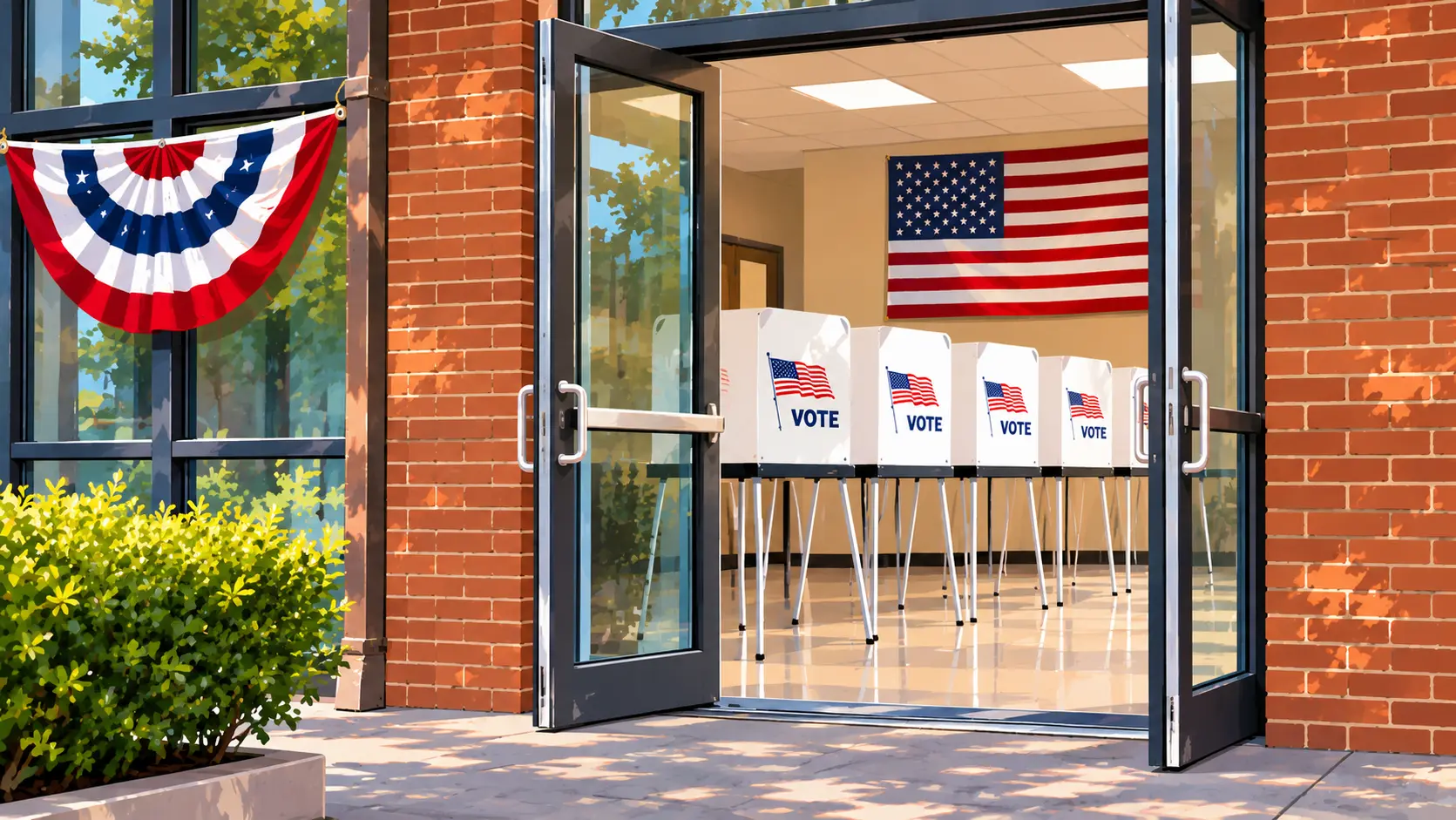
Voters across the country cast ballots in Tuesday's midterm elections
Democrats won control of both the House and the Senate in Tuesday's midterm elections, giving the party a firm grip on Congress when the new session opens in January. The Associated Press called the Senate for Democrats late Tuesday night and the House early Wednesday morning, according to Forbes. CNN, CBS News and NBC News had projected the outcome earlier, and the coverage widely described it as a rebuke of President Donald Trump.
The House margin was still being worked out. Network projections of the final Democratic total ranged from roughly 230 to 255 seats, according to SBS News, and every estimate was well past the 218 needed. NBC News said the party could end up with its largest House majority in nearly two decades. Hakeem Jeffries of New York is poised to become Speaker and would be the first Black person to hold the job, though the incoming House still has to elect him when the new Congress convenes.
You might be interested in
The Senate was the bigger surprise. Republicans started the night with a 53-47 majority, and Democrats needed a net gain of four seats. That looked like a long shot for most of the cycle because the competitive races were mostly in states Trump won comfortably in 2024. By Wednesday morning Democrats had flipped seven Republican-held seats: Texas, Kansas, Ohio, Iowa, North Carolina, South Carolina and Maine. Forbes reported that the AP made the Senate call after Democrat Josh Turek beat Republican Rep. Ashley Hinson in Iowa.
Several of the wins came with real names attached. Former North Carolina Gov. Roy Cooper beat Trump-endorsed Michael Whatley, flipping the seat of retiring Sen. Thom Tillis. In Ohio, Sherrod Brown defeated Sen. Jon Husted. In Texas, state Rep. James Talarico beat Attorney General Ken Paxton, ending a Democratic losing streak of more than three decades there, and in Kansas the Rev. Adam Hamilton ousted Sen. Roger Marshall, becoming the first Democrat Kansas has sent to the Senate since 1932. In South Carolina, Annie Andrews defeated Sen. Darline Graham, who was appointed after the death of her brother Lindsey Graham in July. In Maine, Troy Jackson defeated Sen. Susan Collins, ending her nearly 30 years in the chamber.
Democrats also held open seats in Michigan, Minnesota and New Hampshire, and Jon Ossoff won re-election in Georgia, according to AP calls reported by Forbes and CBS News.
Exit polls pointed to the reasons. A CNN exit poll found about 60% of voters disapprove of Trump's job performance, and roughly 90% said the cost of living was a crucial or major factor in their vote. An AP exit poll found about 60% believed the United States made the wrong decision in attacking Iran, and about a third called the war crucial to their congressional vote, Forbes reported. Democrats ran on affordability and what they called a culture of corruption, while Republicans leaned on the tax-cut law passed last year, The Hill reported. In several states Trump had personally picked the nominee, sometimes over objections from inside his own party.
Republicans did try to protect themselves. Trump and his allies pressed GOP-led states to redraw congressional maps, and Decision Desk HQ reported that the effort gained the party a few seats it otherwise would have lost. It was not enough against the national mood.
A Democratic majority changes what Congress can do right away. House Democrats will control committees and can issue subpoenas, and MS NOW reported that their oversight list includes immigration enforcement, federal spending decisions and the use of executive power. In the Senate, Democrats will be in a position to block Trump's nominees. Chuck Schumer is expected to be elected majority leader when Senate Democrats hold their leadership vote in early December.
The night was not a clean sweep in every contest. Republican Byron Donalds won the Florida governor's race, beating Democrat David Jolly, and Sen. Ashley Moody held her Florida seat. A few races, including some House contests, were still uncalled early Wednesday, so final seat totals could shift.