
Lame-duck Congress faces a short, crowded calendar as Democrats prepare to take over
Republicans have only a few weeks left with full control of Washington. Government funding, a defense policy bill and a doubtful push for a party-line spending package are all fighting for floor time.

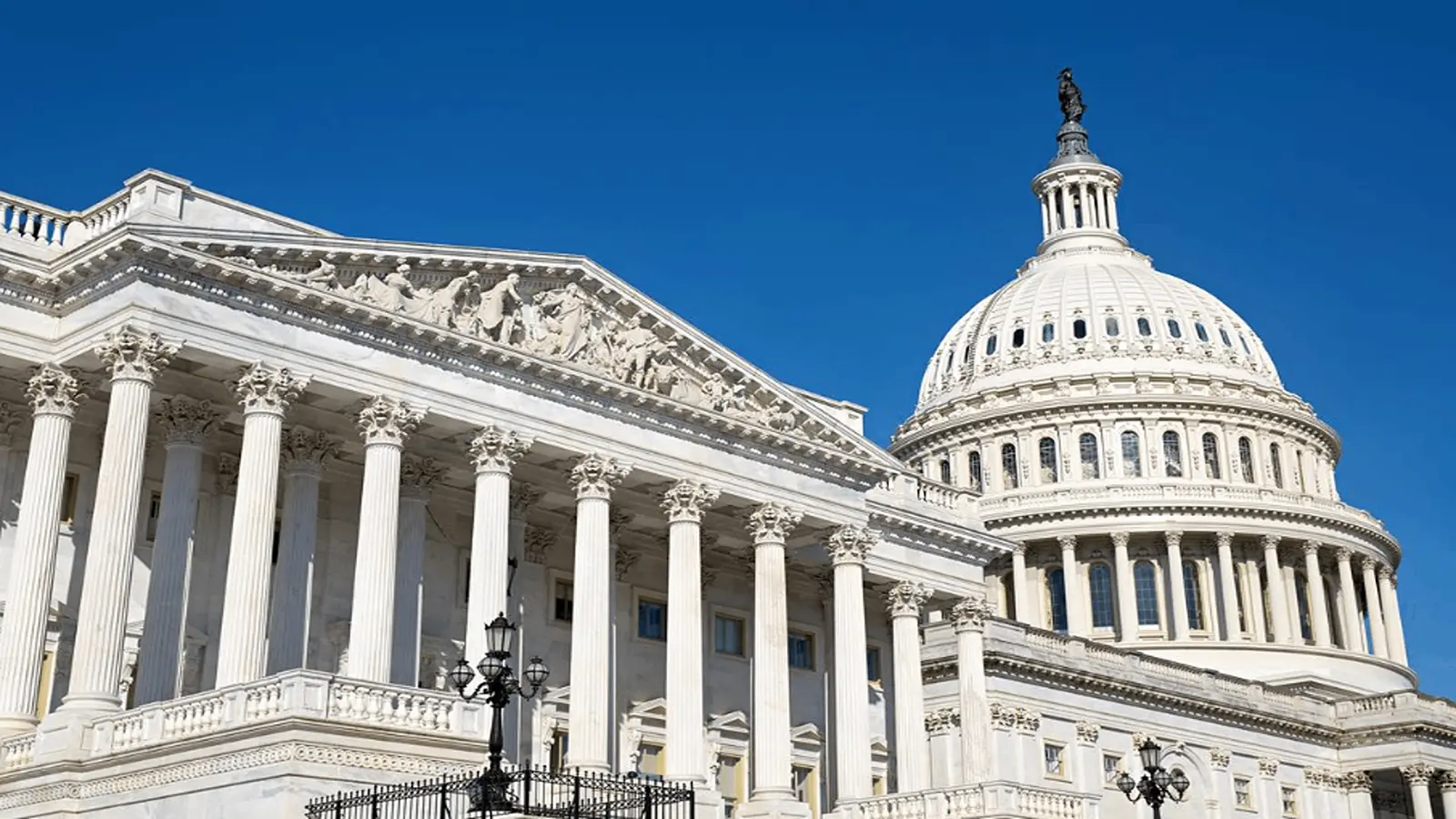
The U.S. Capitol in Washington, where lawmakers return for a post-election session
With Democrats set to take over both chambers of Congress in January, Republicans have one stretch left to use the majorities they still hold: the post-election session known as the lame duck. The to-do list is long, the calendar is short, and the party is not entirely agreed on how hard to push.
The biggest decision sits with Senate Majority Leader John Thune. As The Hill reported, the South Dakota Republican has to choose between two uses of limited time. He can spend most of the session confirming as many of President Trump's nominees as possible, or he can devote weeks to a budget reconciliation package that would fund the Defense Department over Democratic objections. Reconciliation matters because it lets a party move spending and tax measures with a simple majority, no Democratic votes required.
You might be interested in

Neither path looks easy. Thune has said it would be difficult to find the votes for another reconciliation bill with Republicans holding such slim margins, according to analysis from the Center for Strategic and International Studies. Calendar math makes it harder still. A bill can only be assembled after a budget resolution is adopted, and the number of days both chambers will actually be in session is small. One Senate Republican aide told The Hill that reconciliation is "more unlikely than not."
The money at stake is not small. The president has asked for $350 billion in mandatory defense funding as part of a proposed $1.5 trillion defense budget for fiscal 2027, and the Committee for a Responsible Federal Budget estimates that Congress could consider as much as $420 billion in additional defense spending during the lame duck, perhaps as part of a reconciliation package.
Then there is the work Congress cannot skip. The current stopgap spending measure runs out in December, so lawmakers have to pass full-year appropriations or kick the can with another short-term bill. The same Hill reporting lists a farm bill, a food aid package and the annual National Defense Authorization Act among the other items waiting in line. A group of Republicans wants to stretch the session as long as possible to pass as much of the party's agenda as they can while they still hold the gavels.
Nominations are the other pressure point. Senate Democrats have warned that Trump's judicial and executive branch picks will have a hard time getting confirmed, and starting in January they will have the votes to stop them. NBC News noted that the new majority could also matter for the Supreme Court, since several Democratic senators said before the election that they would be reluctant to confirm any Trump nominee to a vacancy in his final two years.
Leadership changes are coming on both sides of the Capitol. Thune is expected to be elected Senate minority leader when Republicans hold their leadership vote next week, and Chuck Schumer is expected to win the majority leader post when Senate Democrats meet in early December. Some incoming senators, including Illinois' Juliana Stratton, have said they may not back him. In the House, Speaker Mike Johnson is on track to hand the gavel to Democrat Hakeem Jeffries.
Republicans did not go into Election Day short on resources. A Republican source told The Hill that Thune and allied outside groups spent close to $750 million trying to protect the Senate majority. That effort fell short, and now the question is how much of the party's remaining time and leverage gets spent before the new Congress is sworn in.