
Investors race to beat Puerto Rico's Dec. 31 Act 60 deadline as the 0% tax rate nears its end
Applications for the island's resident investor program are surging ahead of a rule change that will put a 4% rate on new applicants starting in January.

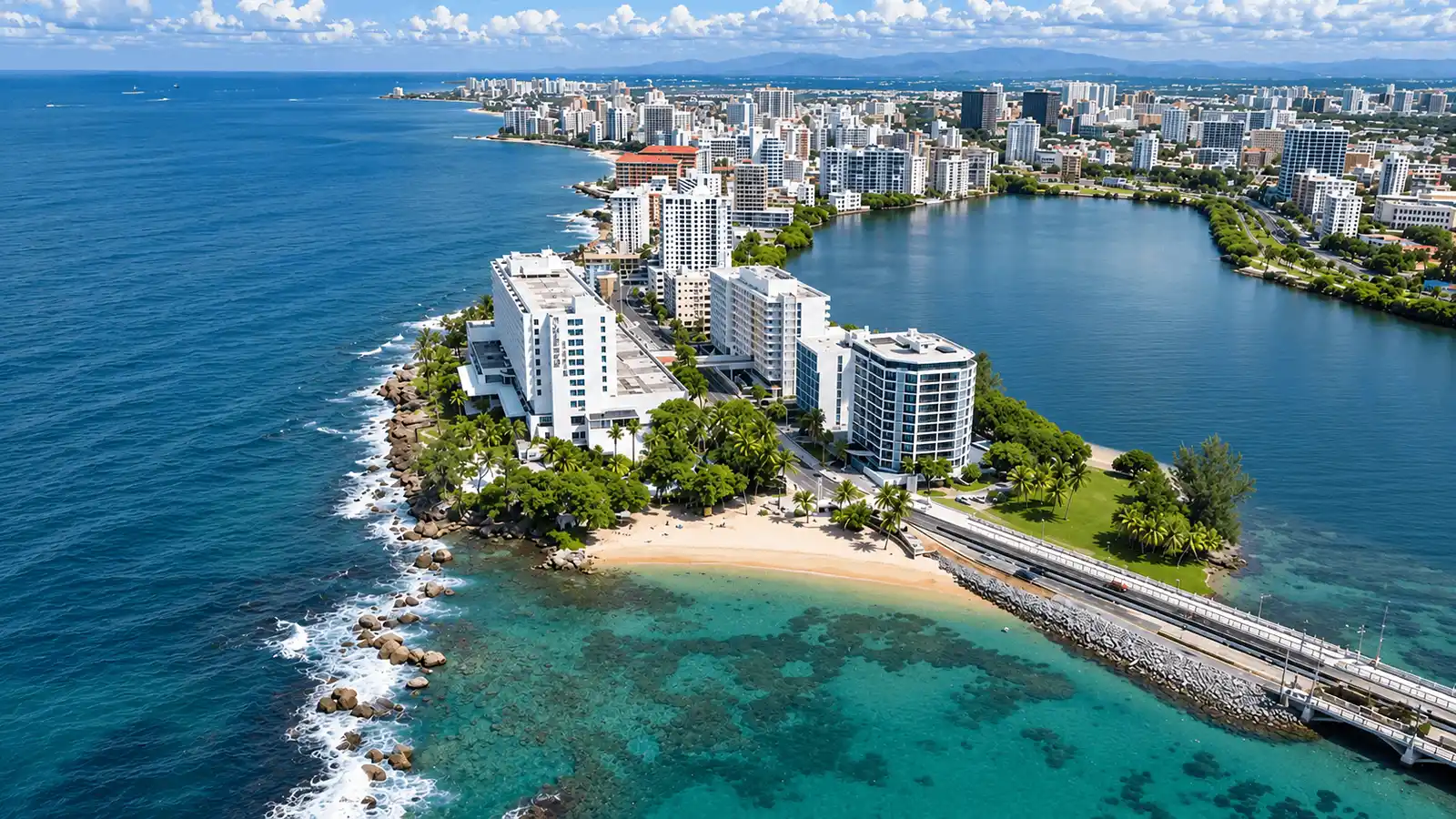
The San Juan skyline, where many Act 60 investors have relocated
Anyone hoping to move to Puerto Rico and qualify for its best-known tax break has a little under two months left. People who file an application under the island's Individual Resident Investor program by Dec. 31 can lock in a 0% Puerto Rico tax rate on certain investment income. Those who file on Jan. 1 or later will pay 4%. Tax advisers say the approaching cutoff is already driving a surge in demand.
The change comes from Act 38-2026, which Gov. Jenniffer González signed on March 20. The law, which amends Act 60 (the successor to the old Act 22), extends the investor program by 20 years, to the end of 2055. In exchange, new applicants will owe 4% on interest, dividends and capital gains that they realize after establishing bona fide residency on the island. Applications submitted by Dec. 31 and approved later stay eligible for the 0% rate, which the law firm MZLS says runs through 2035. People who already hold decrees are grandfathered and keep their current terms.
You might be interested in
Isis Carballo-Irigoyen, who leads the tax practice at the law firm McConnell Valdés, told El Nuevo Día that the current rush is comparable to the one in 2020 and 2021, when remote workers and digital nomads realized they could do their jobs from an island. She said applications continue to arrive from New York, California, Nevada and Massachusetts, and that she has noticed growing interest from Latin America and Europe. Act 60 work now makes up about 20% of her firm's tax practice, and the firm has hired more staff to keep up.
Some other rules change in January too. Decrees will have to be held by individuals or trusts rather than by corporations, and the exemption that applies to selling a primary residence will also be adjusted. Even so, Carballo-Irigoyen said clients still find the program attractive. She argued that Puerto Rico offers tax savings, a multicultural environment and good private schools, and that other jurisdictions, such as the U.S. Virgin Islands, seem to be losing appeal among this kind of investor.
She was equally direct about what the program does not allow. A resident investor has to become a true Puerto Rico resident, which means owning property on the island, spending at least 186 days a year there and doing their work from Puerto Rico. Renting a home and visiting now and then does not meet the standard. She warned that anyone audited by the IRS will have to prove they truly meet those requirements, and that the law was not designed to promote a lifestyle. A decree also does not excuse anyone from federal tax obligations.
The program has long drawn criticism on the island, and Carballo-Irigoyen acknowledged that some decree holders and applicants worry about lingering resentment among local residents and about the state of medical services. She said a handful of concierge health services have started to appear to fill that gap. The investors she works with, she said, range from physicians to mass tort lawyers, and the wealthiest spend locally on housing, aircraft and yacht maintenance, and household staff.
How the 4% rate affects demand after January is the open question, and Carballo-Irigoyen said she is curious to see what happens once 2027 begins. For anyone still deciding, the clock is the only fixed point: the filing date, not the move date or the approval date, determines which rate applies.