Fed Chair Warsh warns inflation progress has stalled in first Jackson Hole address
In his highest-profile speech since taking over the central bank, Warsh declined to signal the Fed's next move, and traders raised their bets on a September rate hike.
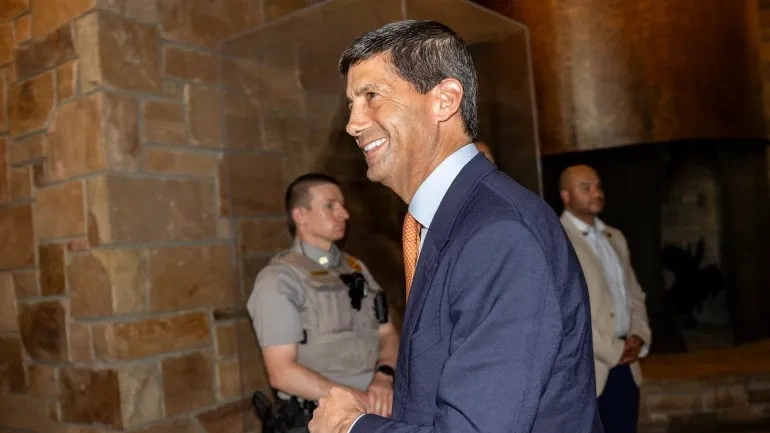
Federal Reserve Chair Kevin Warsh
Federal Reserve Chair Kevin Warsh used his first Jackson Hole address as chair to warn that recent progress on inflation may be less durable than it appears, in a speech that offered investors little of the forward guidance many had been hoping for.
Speaking at the Kansas City Fed's annual symposium in Wyoming, roughly a hundred days into his tenure, Warsh acknowledged that summer inflation readings had come in somewhat better than expected but argued the underlying trend has not clearly improved enough to declare victory. He suggested the central bank could still need to raise rates further if price pressures fail to ease in the months ahead.
You might be interested in
Warsh was notably light on specifics about the Fed's next steps, telling the audience they could describe his approach as a general outline or a rough map of his thinking, but stopped short of calling it formal forward guidance, a term that carries specific weight in how markets interpret central bank communication.
That ambiguity had an immediate effect on trading floors. Futures markets tracked by the CME Group's FedWatch tool showed the probability of a quarter-point rate increase at the Fed's mid-September meeting roughly double from about a third to near a coin flip in the hours after the speech, as traders repriced the odds of a more hawkish path.
The tone marked a contrast with the Jackson Hole speech delivered by Warsh's predecessor a year earlier, which had leaned dovish and helped fuel a stock market rally. Warsh's more cautious framing instead left investors parsing his remarks for clues rather than taking comfort from a clear signal in either direction.
Economists said the speech reflected the difficult position facing the Fed as it weighs still-elevated inflation against signs of a cooling labor market, a balancing act that has left policymakers publicly divided over whether the next move should be a cut, a hike, or no change at all when the committee meets next month.