
FAA orders crack inspections on hundreds of Boeing 737 MAX jets
The directive covers 471 U.S.-registered aircraft after a structural issue previously found on older 737 models turned up in planes sharing the same design.

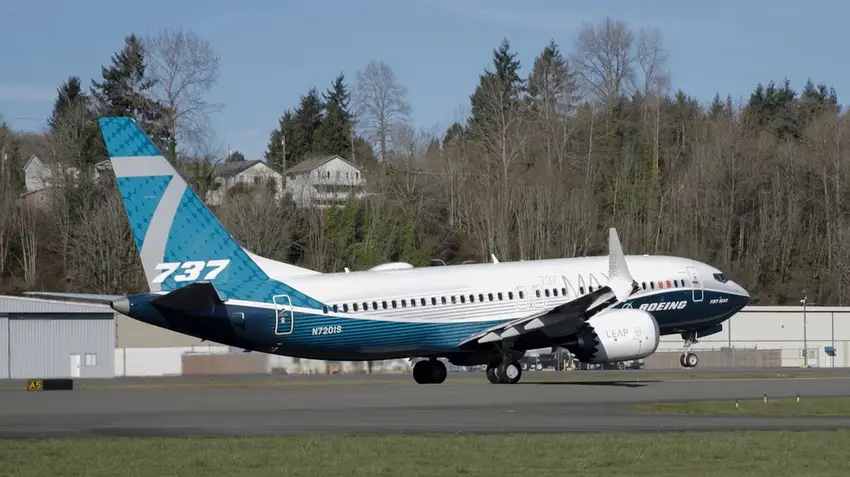
A Boeing 737 MAX
The Federal Aviation Administration has finalized a directive ordering airlines to inspect 471 U.S.-registered Boeing 737 MAX jets for potential cracking in a structural support near the aircraft's forward service door and galley area, extending a safety issue previously identified on older 737 models to the newer MAX family.
The affected component, known as a bear strap, reinforces the fuselage around the forward entry area. Regulators say cracking had already been confirmed on a number of older 737 NG aircraft that share a similar structural design and assembly process, prompting the FAA to require operators of MAX 8, MAX 9 and 737-8200 variants to check for the same issue even though no cracks have yet been confirmed on those newer jets.
You might be interested in


The directive takes effect in mid-September and sets out an inspection schedule tied to how heavily each aircraft has been used, requiring operators to repair any cracking found before returning a plane to passenger service. The FAA said the order does not require any aircraft to be grounded immediately, since the inspection window is designed to catch the issue well before it could become a safety concern.
Boeing said in a statement that it supports the directive and is working with airline customers to complete the inspections on the standard timeline, characterizing the issue as one that its engineering teams identified proactively as part of ongoing structural reviews across the 737 fleet.
The order lands amid a period of heightened regulatory attention on Boeing's manufacturing quality, following several years of scrutiny that intensified after a door plug panel blew out on a 737 MAX 9 during an Alaska Airlines flight in early 2024. Aviation regulators and airlines alike have since adopted a lower threshold for ordering precautionary inspections on the MAX family.
Airlines operating the affected jets, including several of the largest U.S. domestic carriers, said they expect to complete the required checks within routine maintenance schedules without significant disruption to flight operations.