January 3, 2026
U.S. tech stocks saw significant swings in December, driven by inflation data, interest rate expectations, AI sector rotation, and investor positioning.

The U.S. technology sector faced heightened volatility in December, with major indices such as the Nasdaq 100 swinging sharply in response to economic data, monetary policy signals, and investor sentiment. A detailed investigation into these movements reveals a combination of fundamental and behavioral factors influencing the sector’s performance.
Inflation Data as a Key Trigger December’s Consumer Price Index (CPI) reports played a central role. Softer-than-expected inflation readings eased fears of aggressive Federal Reserve rate hikes, providing temporary relief for growth-oriented technology stocks. Conversely, lingering concerns about sticky core inflation occasionally spurred profit-taking and sharp pullbacks. The oscillation between optimism and caution contributed significantly to day-to-day volatility.
Interest Rate Expectations and Fed Signals Investor expectations for U.S. monetary policy also impacted tech stocks. Futures markets priced in a potential rate-cut cycle for 2026, while the Fed maintained a cautious stance. The gap between market expectations and central bank communications created uncertainty, with traders reacting rapidly to any hints of future policy shifts. Rate-sensitive technology stocks were particularly affected, as lower rates enhance discounted cash flows for high-growth firms.
AI and Sector Rotation Artificial intelligence (AI) stocks led both the upside and downside during December. After months of strong performance, investors rotated gains from high-flying AI and software names into more defensive tech or traditional growth sectors. This rotation magnified intraday swings and contributed to sharp divergences within the sector. Such behavior highlights that volatility was not uniform; some sub-sectors led rallies while others lagged, reflecting nuanced market dynamics.
Investor Positioning and Sentiment December is traditionally a period of lower liquidity, as traders and portfolio managers reduce activity for the holidays. Thinner trading volumes amplify price moves when economic data or corporate announcements emerge. Additionally, behavioral factors such as profit-taking, portfolio rebalancing, and tax-loss harvesting intensified volatility. Investors’ collective psychology — oscillating between fear and optimism — played a notable role in tech swings.
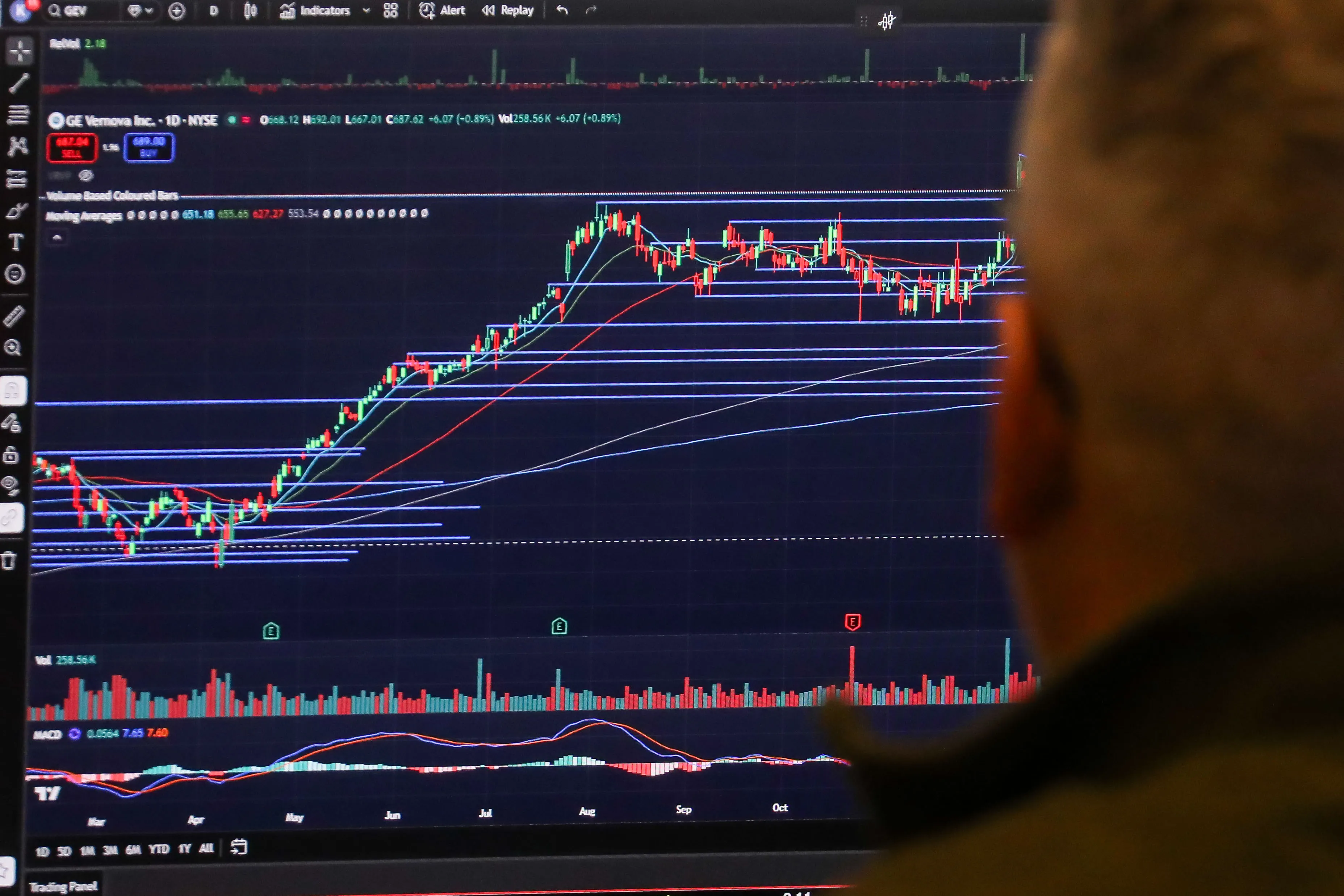
Technical Market Factors Automated trading systems, algorithmic execution, and stop-loss triggers contributed to sharper price movements. The combination of high valuations, low trading volume, and sector-specific news created conditions where even modest price triggers could propagate into broader swings across indices. Analysts monitoring support and resistance levels noted multiple intraday reversals in key AI, software, and semiconductor stocks, underscoring the technical component of December volatility.
Macro and Global Influences Global market developments also influenced U.S. tech stocks. European and Asian market trends, geopolitical news, and currency movements impacted large multinational technology firms. A weaker U.S. dollar, for example, influenced overseas revenue expectations, while international interest rate decisions affected investor allocation decisions. The interconnectedness of global financial markets contributed to the observed swings.
Conclusion Tech sector volatility in December was a product of multiple overlapping factors: softer inflation data, interest rate speculation, AI-driven rotation, investor positioning, technical market dynamics, and global developments. While the headline numbers suggested moderation, the underlying forces driving swings were complex and multifaceted.
For investors and analysts, December’s tech market behavior underscores the importance of understanding both fundamental and technical drivers. Short-term volatility may appear dramatic, but it often reflects deeper structural dynamics and investor psychology interacting in a low-liquidity environment. Recognizing these factors is critical for informed decision-making, particularly in high-growth sectors such as technology.
In essence, December’s tech volatility demonstrates that market swings are rarely the result of a single factor; they are the sum of economic signals, policy expectations, sector-specific rotations, and human behavior interacting in a dynamic financial ecosystem.