December 16, 2025
With inflation cooling unevenly and borrowing costs weighing on households, growing voices question whether the Federal Reserve’s cautious pace on interest rates is creating more risk than stability.
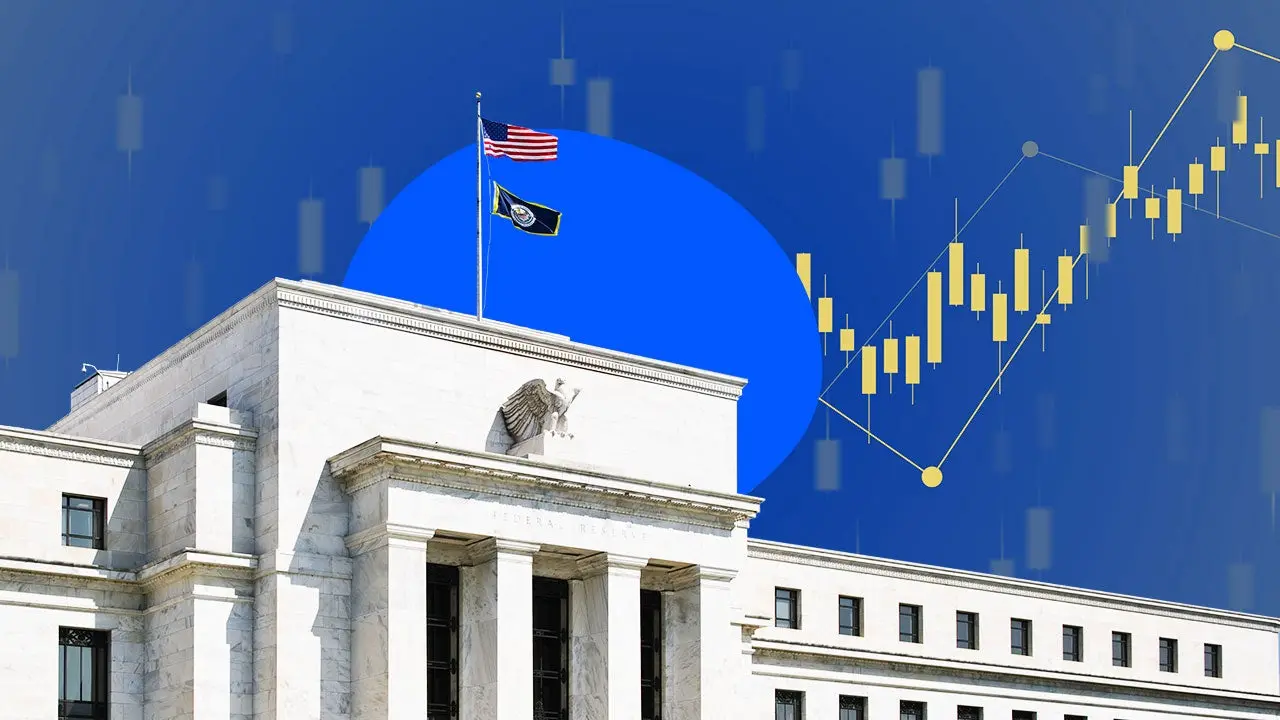
The Federal Reserve rarely attracts public attention unless something feels off in the economy. Today, that attention is back—and not without reason. As inflation slows but refuses to fully retreat, and borrowing costs remain stubbornly high, a growing number of Americans are asking whether the Fed is moving too slowly on interest rates.
Central bankers insist patience is necessary. Interest rate decisions ripple through the economy with long delays, they argue, and overcorrection can do lasting damage. It’s a reasonable concern. Monetary policy is a blunt tool, and history offers examples where moving too aggressively triggered deep recessions. But caution, when prolonged, can quietly become inertia.
For ordinary households, the debate feels less theoretical. Mortgage rates remain elevated, keeping potential buyers on the sidelines. Credit card interest has climbed to levels that punish even modest borrowing. Small businesses face tighter lending conditions just as costs rise elsewhere. These pressures accumulate slowly, but their impact is unmistakable.
Inflation, while lower than its recent peak, remains persistent in key areas. Housing costs, insurance premiums, healthcare, and everyday services continue to stretch family budgets. When inflation settles into daily life rather than disappearing, it changes behavior. Consumers pull back. Confidence weakens. The economy may appear stable on paper, yet feel increasingly fragile on the ground.
The Federal Reserve’s greatest asset is credibility. Markets, businesses, and consumers respond not only to what the Fed does, but to what they believe it will do. If people begin to suspect the central bank is reacting too slowly, expectations can shift. Inflation expectations, once anchored, become harder to control when doubt creeps in.
Supporters of the Fed’s measured approach point to resilience. Employment remains relatively strong. Spending hasn’t collapsed. Financial markets have absorbed higher rates without panic. From this angle, restraint looks like wisdom. The Fed is trying to navigate a narrow path—cooling inflation without triggering a recession.
But critics warn that economic data often lags reality. By the time weakness shows up clearly in employment numbers or corporate earnings, damage may already be done. Past economic cycles offer a familiar lesson: waiting for confirmation can mean acting too late.
There’s also the issue of uneven pain. High rates don’t affect everyone equally. Asset holders may weather them comfortably, while renters, first-time buyers, and lower-income households absorb the shock. When monetary policy disproportionately burdens those with the least financial cushion, public trust erodes—even if the long-term goals are sound.
The Fed’s independence is critical, but it does not operate in isolation. Its decisions shape political debates, influence fiscal choices, and affect how Americans perceive economic leadership. Prolonged uncertainty fuels frustration, and frustration often turns into skepticism about whether institutions are responding to real-world conditions.
None of this suggests the Federal Reserve should act recklessly. But there is a growing sense that caution alone may no longer be enough. The risk now is not just inflation or slowdown—it’s misalignment between policy and lived experience.
The question facing the Fed is no longer simply whether to wait or act. It’s whether moving too slowly could end up causing the very instability it hopes to avoid. In an economy already stretched thin, timing matters as much as intention.