January 2, 2026
A softer U.S. dollar is reshaping global trade flows, offering export relief while raising new risks for inflation and policy credibility.
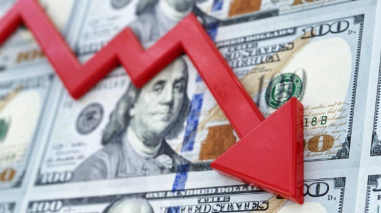
The recent weakening of the U.S. dollar has reopened an old debate in global trade circles: is a softer currency a competitive advantage or a warning sign? While exporters welcome the relief, policymakers and investors remain divided over what sustained dollar weakness ultimately means for the U.S. economy and its position in global markets.
A weaker dollar typically makes U.S. goods cheaper for foreign buyers. That dynamic has already begun to influence trade flows, particularly in manufacturing, agriculture, and technology hardware. American exporters are seeing improved price competitiveness, which could help narrow trade imbalances over time.
Yet the benefits are not evenly distributed. Many U.S. companies rely heavily on imported components, raw materials, or energy inputs. A softer dollar raises those costs, potentially offsetting gains from higher export demand. For industries with thin margins, currency weakness can become a mixed blessing rather than a clear advantage.
From a global perspective, dollar weakness alters capital flows. Investors seeking higher returns may rotate funds toward regions with stronger currencies or faster growth prospects. This shift can tighten financial conditions in the U.S. even as it supports emerging markets that benefit from easier dollar-denominated debt servicing.
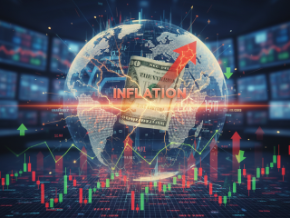
The implications for inflation remain a central concern. While recent data suggest price pressures are easing, a weaker dollar can reintroduce imported inflation through higher costs for consumer goods and commodities. The Federal Reserve must therefore weigh currency dynamics carefully as it signals future policy direction.
Trade partners are watching closely. A declining dollar often strengthens currencies in Europe and Asia, affecting their own export competitiveness. This can prompt subtle policy responses, including verbal intervention or adjustments in monetary guidance, as countries seek to avoid excessive currency appreciation.
Geopolitics adds another layer. The dollar’s global role has long been supported by U.S. financial stability, deep capital markets, and policy credibility. Persistent weakness risks encouraging diversification away from the dollar in trade settlements and reserves, even if such shifts occur gradually rather than abruptly.
However, it would be premature to frame current dollar moves as a structural decline. Currency cycles are often driven by relative interest rate expectations. As markets price in eventual U.S. rate cuts, the dollar naturally softens. If global growth weakens or risk aversion returns, demand for dollar assets could rebound quickly.
For U.S. trade policy, the moment is delicate. A weaker dollar may reduce pressure to pursue aggressive trade measures, but it does not resolve underlying issues such as supply chain resilience, labor costs, and productivity growth. Currency movements can provide temporary relief, not structural solutions.
From an opinion standpoint, dollar weakness should be viewed as a signal rather than a strategy. It reflects shifting expectations about U.S. growth, inflation, and monetary policy. Leveraging it successfully requires disciplined policy, credible institutions, and long-term investment — not complacency.
Ultimately, global trade thrives on stability more than currency advantage. The U.S. benefits most when the dollar is trusted, predictable, and supported by sound economic fundamentals. Short-term gains from a weaker dollar may help exporters, but lasting leadership in global trade depends on confidence, not depreciation.