January 30, 2026
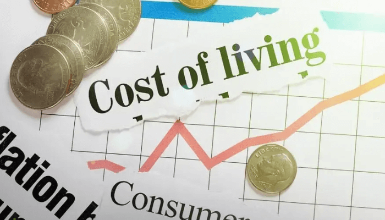
Rising prices for essentials are straining U.S. household budgets, forcing consumers to adjust spending, delay discretionary purchases, and prioritize necessities.

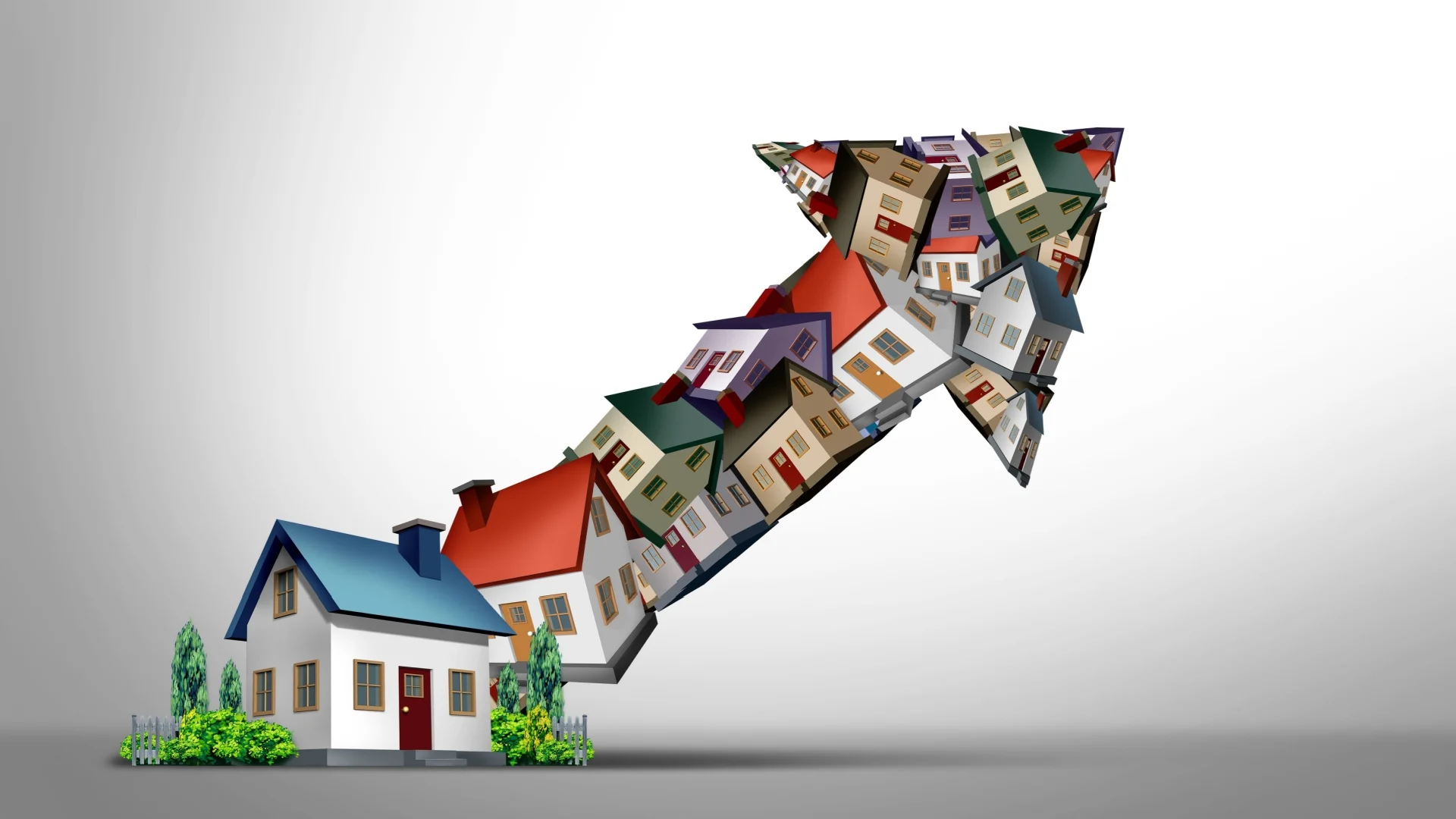
American consumers are facing increased financial hardship as rising living costs continue to outstrip income growth in many locations. The expenses of daily living, from rent and transportation to groceries and utilities, are impacting consumer behavior and more general economic developments. Inflation and Essential Goods While inflation has reduced marginally from its recent peaks, prices for critical products such as food, electricity, and healthcare remain elevated. Budgets are frequently reallocated by many families to pay for basics, with discretionary spending being cut or postponed. Analysts think this alteration in consumer behavior could have ramifications for areas like retail, entertainment, and travel. Housing Costs A large amount of household budgets are still allocated to housing. Rising rents in metropolitan areas and increased mortgage rates continue to challenge affordability. As interest rates rise, homeowners with variable-rate mortgages experience further financial hardship. Economists point out that one of the main factors influencing total consumer confidence is housing expenses. Patterns of Consumer Spending The impact of increased living costs is obvious in the way Americans spend. Retailers report a move toward value-focused buying, with greater demand for generic brands, discounts, and bulk purchases. Meanwhile, high-cost discretionary items, including travel, luxury products, and dining out, have experienced slower increase as people focus on fundamentals. Energy and Transportation Fuel and electricity costs have changed in recent months, further impacting household budgets. The unpredictability of the oil and gas markets is still a worry, even though energy costs have somewhat decreased from the previous year. Families are facing more financial strain as a result of rising transportation costs, such as those associated with public transportation and auto upkeep. Healthcare Costs Healthcare expenditures continue to be a major element affecting household finances. Out-of-pocket medical expenses, prescription drug costs, and insurance premiums have climbed, causing many households to reevaluate non-essential spending to satisfy healthcare requirements. Implications for Policy and the Economy Since household spending habits are a crucial sign of the state of the economy, policymakers and economists keep a careful eye on them. Slower discretionary spending may impair business earnings and overall GDP growth, while prolonged inflation in essentials can boost demand for fiscal relief measures. Customer Attitudes According to surveys, persistent financial strains have dampened consumer confidence. Savings habits and spending preferences are influenced by short-term worries about growing costs, even though many Americans are still hopeful about the future. Forward-Looking Households are projected to continue negotiating these challenges by prioritizing essentials, seeking discounts, and deferring non-essential purchases. Any long-term decrease in the cost of food or energy could help restore discretionary expenditure, according to economists, but growing housing and healthcare expenses might still make household budgets difficult. In conclusion, Rising living costs have become a defining element for U.S. households, influencing spending, saving, and financial planning decisions. As critical expenses remain excessive, families are shifting to maintain stability, underscoring the broader economic impact of inflation and cost-of-living challenges across the nation.