January 2, 2026
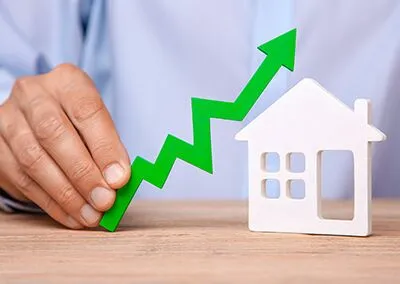
Cooling inflation trends are influencing U.S. housing decisions as buyers and renters reassess affordability and timing.

As households react to shifting cost pressures and changing expectations regarding interest rates, housing decisions in the US are becoming more and more linked to inflation trends. Americans are considering housing options more carefully as inflation begins to moderate following a protracted period of high costs, whether they are purchasing, renting, or postponing significant commitments. Inflation has influenced affordability in a number of ways for potential homeowners. Monthly payments became a major problem as rising mortgage rates were caused by higher costs in recent years. Buyer psychology is being influenced by expectations for more stable borrowing costs as inflation indications start to decline. The belief that things might get better is pushing some people to carefully reenter the home market, even though rates are still somewhat high. In many areas, home prices are still high, but the rate of increase has decreased. Making decisions is being impacted by this change, especially for first-time purchasers. Many purchasers are adopting a cautious approach, keeping an eye on price changes and inventory levels before committing, as opposed to hurrying to make a purchase. The focus is now on timing and long-term affordability rather than hurry. In reaction to inflation trends, renters are likewise modifying their strategy. Some markets are experiencing moderate reprieve from slower rental cost rise, which enables tenants to reevaluate living arrangements and lease terms. In high-demand urban regions, affordability is still a problem because housing costs are still rising faster than incomes. Value, geographical flexibility, and shared living choices are therefore becoming more important to renters. Responses from homeowners vary. Many are opting to stay put rather than relocate since loan rates are still high. Rather of moving or upgrading, people are making targeted investments in home upgrades that increase efficiency and comfort. The preference for energy-efficient improvements, upkeep initiatives, and useful renovations over extensive expansions reflects a cost-conscious mentality influenced by inflationary experiences. Beyond ownership and rent, housing-related expenditures are also being impacted by inflation patterns. Appliances, household services, and furnishings are being bought more deliberately, frequently postponed until sales or price stability occur. Customers are making judgments about home that are in line with greater financial restraint by emphasizing longevity and long-term value. Regional variations are still important. Slower activity is being seen in markets that had sharp price increases during times of severe inflation as purchasers reevaluate value. In the meantime, households looking for more predictable finances and cheaper living expenses are drawn to more reasonably priced areas. Across the nation, these changes are influencing housing demand and migration trends. A major factor in housing decisions is economic confidence. When inflation appears controllable and predictable, households are more inclined to commit to long-term plans. Although morale has somewhat improved due to recent pricing pressure easing, uncertainty still exists. Both tenants and buyers are wary because they are aware that inflation may pick up speed again. Real estate agents and housing developers are adjusting to these shifts. Smaller, more affordable housing designs, incentives, and flexible financing alternatives are all gaining popularity. These tactics demonstrate an awareness of how inflation has changed consumer demands for affordability and value. Analysts predict that housing decisions will continue to be strongly influenced by inflation statistics and interest rate signals through early 2026. The market is expected to see consistent, purposeful activity motivated more by necessity than by speculation than by a quick recovery. This strategy takes into account the lessons discovered during recent times of economic instability. In conclusion, changes in inflation have a growing impact on housing choices in the US. Customers are reevaluating affordability, timing, and long-term commitments more carefully as price pressures lessen, indicating a cautious, realistic, and progressive adjustment-driven housing market.