January 1, 2026
Shifting economic indicators are reshaping how U.S. consumers approach vehicle purchases, balancing caution with renewed confidence.
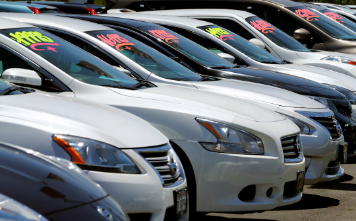
As consumers react to shifting economic signals, there is a discernible shift in the decisions made by Americans regarding auto purchases. Households are reevaluating whether and how to commit to large car purchases because inflation is beginning to decline, interest rate expectations are stabilizing, and labor market conditions are staying largely stable. Many buyers put off purchasing new cars for the most of the previous year due to high financing prices and price uncertainty. However, recent advancements are starting to affect the psyche of buyers. Even if caution is still in place, more customers are returning to the market as a result of increased confidence over household finances, especially those who put off purchases during times of increased economic strain. Interest rates still have a significant influence on how people purchase cars. Particularly for financed goods, affordability can be greatly impacted by even slight changes in rate expectations. Concerned that inventory or incentives may change, some purchasers are opting to act now rather than wait indefinitely as expectations rise that borrowing costs may eventually decrease. The cost of a car is still an important factor. Perceived value is improving due to increased availability and selective manufacturer incentives, even though costs are still higher than they were before inflation. In response, buyers are placing a higher value on long-term ownership costs, fuel economy, and usefulness than on luxuries or expensive modifications. Demand for used cars is still strong as consumers on a tight budget look for alternatives to more expensive new vehicles. Particularly, certified pre-owned cars are drawing attention because of their perceived dependability and cost-effectiveness. Analysts observe that before making judgments, purchasers are devoting more time to investigating the history of the car, the terms of financing, and the total cost of ownership. Purchase patterns are also being impacted by hybrid and electric cars. Although adoption is still ongoing, consumers are paying more attention to the market. The decision-making process still includes considerations of initial expenses, resale value, and charging infrastructure. Nevertheless, consumers who want to own for a long time are still drawn to incentives and fuel savings. This changing market is reflected in dealer behavior. Flexibility, clear pricing, and financing choices catered to wary clients are becoming more and more important components of sales techniques. As customers want to reduce their long-term financial commitment, shorter loan durations and leasing options are becoming more popular. Demand for cars is also being shaped by regional variations. While suburban and rural consumers prioritize durability and versatility, urban purchasers continue to exhibit interest in compact and fuel-efficient models. As consumers look for good bargains, seasonal factors—such as year-end promotions—are also affecting timing. Major purchasing decisions are heavily influenced by consumer confidence, and cars are no exception. Despite being aware of wider economic threats, consumers are being encouraged to move forward by market stability and stable employment conditions. When things seem definite, buyers seem ready to commit, but when doubts reappear, they rapidly become hesitant again. Auto buyers are expected to continue to be tracked till early 2026, according to industry observers. Analysts predict consistent, disciplined purchasing behaviors motivated by necessity rather than impulse rather than a spike in demand. This reflects a customer base that is focused on financial resilience and has been influenced by recent economic instability. In conclusion, American consumers' decisions to buy cars are changing in reaction to changing economic indicators. Even while concerns about affordability still exist, customers are being encouraged to carefully re-engage due to growing confidence and more transparent market conditions, indicating a progressive normalization of car-buying behavior.