January 26, 2026
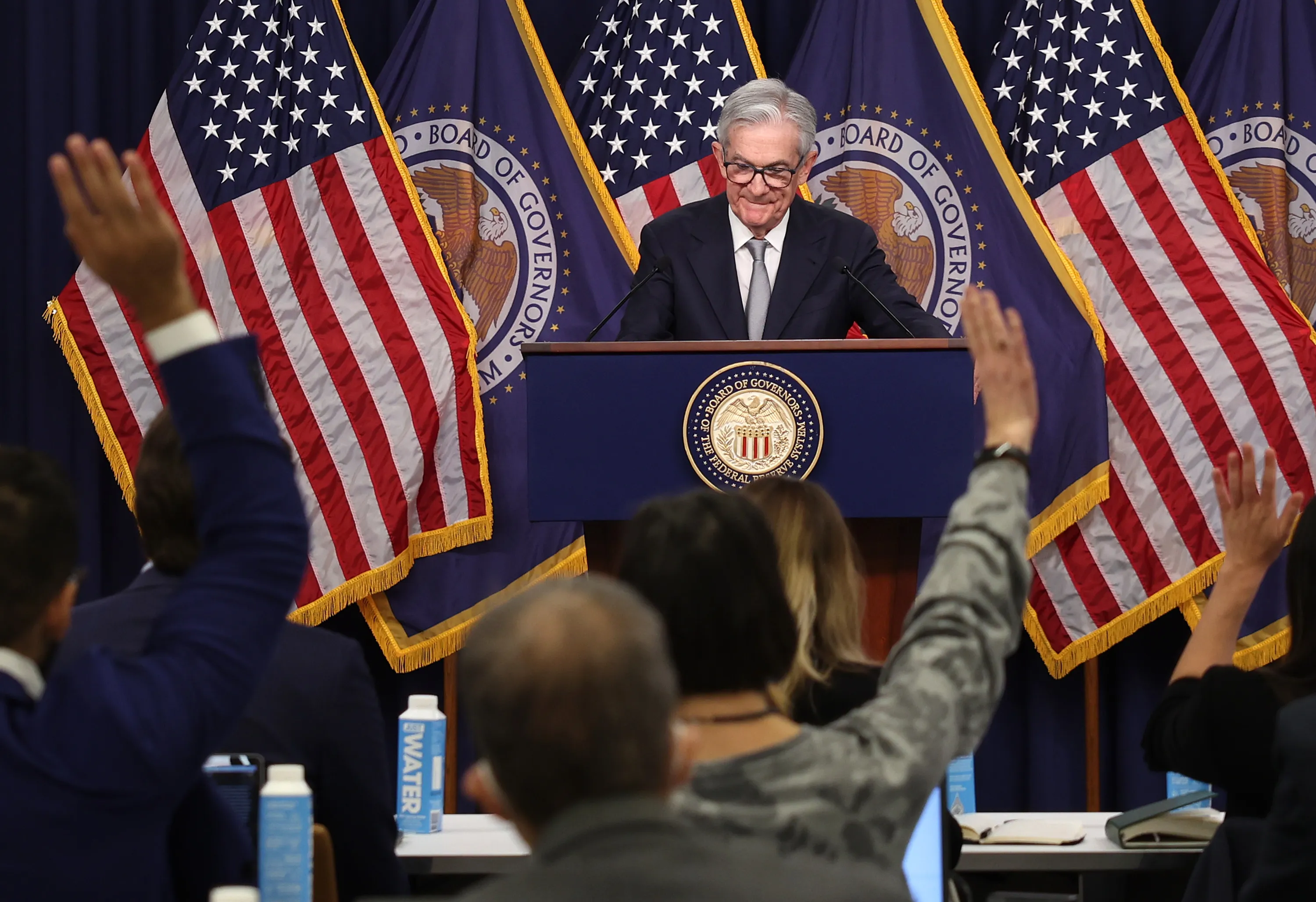
The latest U.S. inflation report has reignited debates over monetary policy both domestically and internationally, influencing central bank expectations, market strategies, and global economic forecasts.
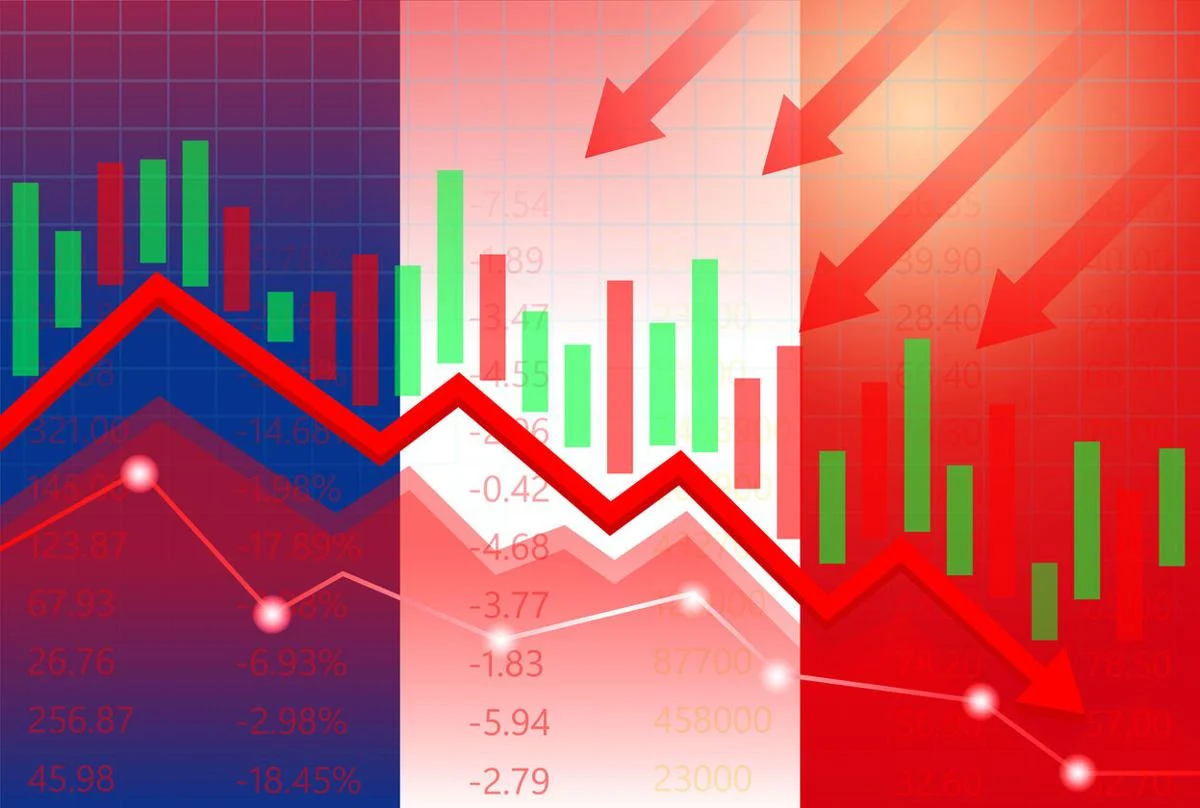
Discussions over monetary policy have been rekindled in Washington and other international financial hubs following the release of the most recent U.S. inflation figures. Policymakers, investors, and corporate executives are evaluating the possible consequences for interest rates, fiscal policies, and international economic stability as long as inflation stays above long-term Federal Reserve targets. Domestic Policy Debate: According to the Consumer Price Index (CPI) data, price pressures are still present even if inflation growth has slowed in the US. Economists, financial experts, and legislators are debating the timing and speed of interest rate changes again as a result of this duality. While some policymakers contend that the Federal Reserve should halt rate increases in order to boost economic expansion, others caution that keeping rates higher is essential to ensuring long-term price stability. The Treasury and congressional committees have expressed their opinions, examining possible effects on labor market dynamics, consumer purchasing power, and government borrowing costs. Since the relationship between inflation and public finances is still crucial to the health of the domestic economy, the debate has expanded to include discussions of fiscal stimulus and government spending objectives. International Implications: Because the Fed's policy actions affect interest rates, currency values, and capital flows globally, central banks and governments around the world keep a careful eye on the U.S. inflation figures. Policymakers in Europe and Asia are paying close attention as they assess if comparable easing or tightening measures are necessary in their respective economies. Emerging markets are also adjusting their policies to strike a balance between growth and inflation management since they are susceptible to changes in interest rates and the strength of the US dollar. International investors responded to the news swiftly. While equities markets recalculated risk exposure across sectors, global bond yields were updated to account for possible shifts in U.S. monetary policy. In response to indications that aggressive rate hikes could be less likely, the U.S. dollar fell against major currencies, causing currency markets to move substantially as well. Market and Sectoral Impacts: Financials: In view of prospective policy changes, banks and investment businesses are evaluating lending and borrowing circumstances. Technology and Growth Stocks: Valuations are supported by softer inflation predictions, especially for industries that are sensitive to interest rates. Commodities: While oil and industrial metals had varied reactions, precious metals, such as gold, drew safe-haven flows. Policy Analysts' Viewpoint: Although a single data release serves as a crucial signal for governments and markets, experts point out that it does not establish long-term patterns. Analysts stress that central banks have to strike a balance between the need to keep inflationary pressures from rising again and the risk of slowing economic growth. Additionally, behavioral finance is involved. Market players frequently respond to both the data and the expected policy response, which amplifies movements in bonds, currencies, and stocks. This interaction illustrates the complex relationship that exists between investor psychology, policymaking, and economic statistics. In conclusion, the most recent U.S. inflation data has rekindled discussions about both domestic and international policy, emphasizing how intertwined global finance is. In order to inform future decisions, central banks and market players will keep a careful eye on upcoming labor market surveys, economic statistics, and geopolitical developments. While investors adjust their tactics to deal with the changing environment, policymakers must strike a careful balance between promoting economic growth and preserving price stability.