December 31, 2025
U.S. political economists are analyzing recent election results to forecast potential fiscal, monetary, and regulatory policy shifts for the coming year.
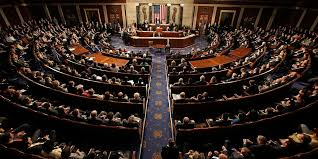
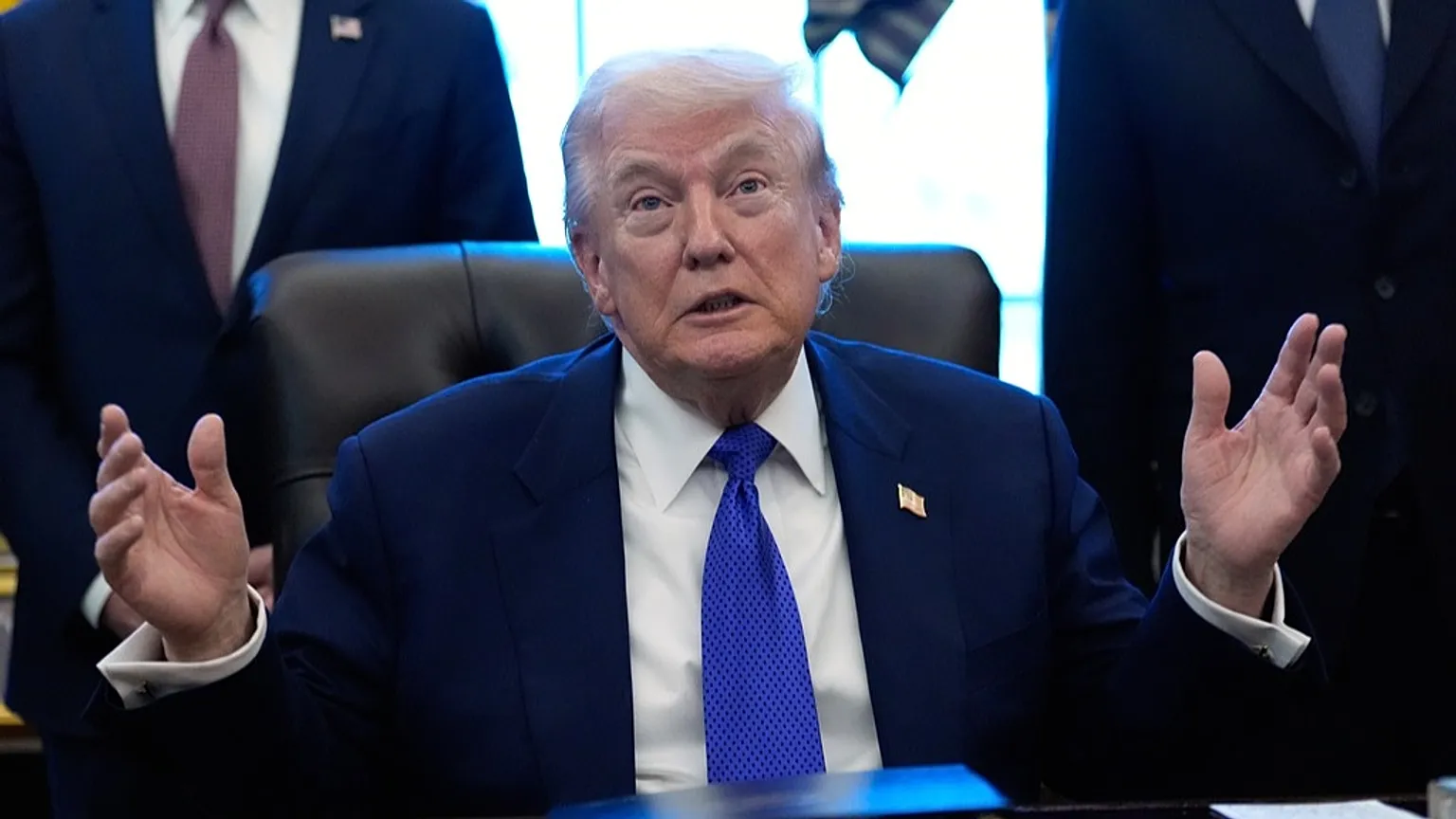
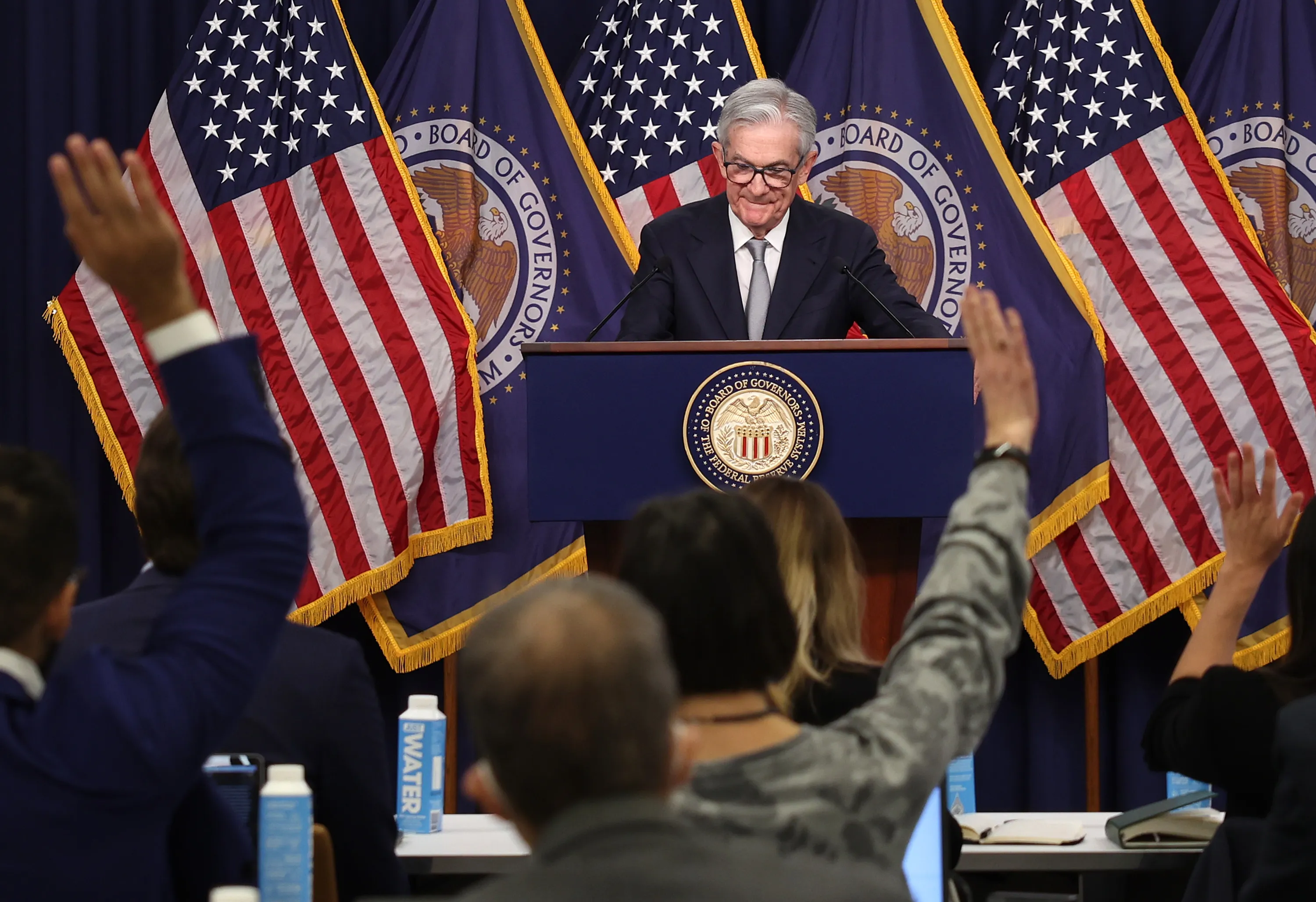
In order to forecast future changes in governmental policy, political economists in the US are attentively analyzing the outcomes of the most recent federal and state elections. These results are anticipated to have an impact on economic plans, regulatory frameworks, and fiscal goals, which will have an impact on people, businesses, and financial markets nationwide. Because they reveal voter preferences and expected legislative goals, election outcomes are an important signal for politicians. Economists are weighing the objectives of growth, inflation control, and long-term fiscal sustainability as they assess how these changes might affect American taxation, spending policies, and economic regulation. The main focus of U.S. experts is fiscal policy. Based on party platforms and campaign promises, economists are thinking about possible adjustments to federal spending, social programs, and stimulus plans. Changes in these areas may have an impact on sector-specific investment as well as aggregate demand, influencing the state of the economy in 2026. Expectations for monetary policy are also being reevaluated. Political results affect market expectations for interest rates, liquidity, and inflation control even though the Federal Reserve functions independently. Under changing political leadership, investors frequently respond to perceived alignment—or conflict—between fiscal actions and Fed policy. Another crucial element is the alteration of regulations. Regulations pertaining to finance, energy, technology, and the labor market in the United States may change as a result of election results. Economists emphasize that these shifts may affect corporate strategy, innovation, and market confidence both immediately and over time. Business and consumer mood are continuously tracked. Following U.S. elections, policy direction can have a big impact on confidence, which can affect investment, hiring, and spending decisions. To effectively predict economic trends, political economists stress the significance of comprehending these behavioral reactions. U.S. policy is also influenced by global factors. Domestic markets may be impacted by overseas economic trends, geopolitical concerns, and international trade agreements. When evaluating the possible effects of U.S. election results on policy and economic situations, economists take these outside factors into account. These political factors are being taken into account while updating economic estimates. Changes in taxes, government expenditure, regulatory priorities, and monetary expectations are among the scenarios that analysts are modeling. These forecasts assist American individuals, businesses, and investors in getting ready for possible changes in the economy. Policymakers' public communications are being closely examined. Before any legislation is passed, statements about fiscal restraint, stimulus plans, or regulatory priorities can affect household behavior and market expectations. To differentiate between short-term signals and long-term legislative purpose, economists advise carefully interpreting official statements. As legislative agendas are defined and freshly elected leaders take office, U.S. electoral economists anticipate that policy changes will become more apparent. It will become clearer how political outcomes are translated into actual policy measures if economic statistics, budgetary proposals, and market reactions are continuously monitored. In conclusion, electoral economists headquartered in the United States are offering crucial information about the probable paths of monetary, regulatory, and fiscal policy in the wake of recent elections. Their research aids households, companies, and markets in anticipating future shifts in the economy and getting ready for 2026.