December 31, 2025
Political economists are analyzing shifts in consumer confidence, assessing potential risks for households, markets, and policy decisions amid economic uncertainty.
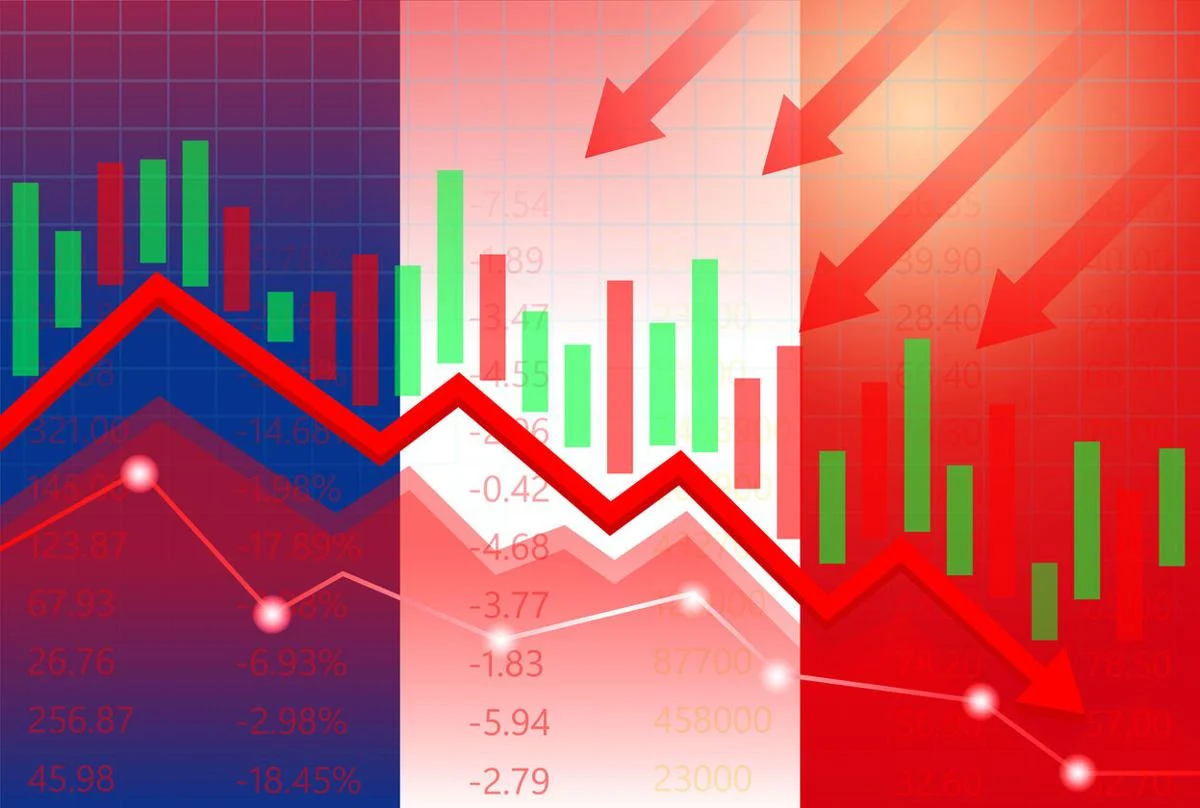
As the economy and policy remain unclear, political economists are increasing their evaluations of consumer confidence. Particularly as the economy negotiates post-inflation adjustments and continuing budgetary discussions, their analysis focuses on how changes in household attitude can affect spending patterns, market performance, and more general policy planning. For both markets and politicians, consumer confidence is an important metric. Households are more inclined to maintain or boost spending when they believe the economy is doing well, which helps the retail, services, and durable goods sectors flourish. On the other hand, declining confidence may cause people to act cautiously, which would lower demand and possibly slow economic growth. Political economists stress that developing good policy requires a knowledge of the factors influencing these judgments. A mixed picture is revealed by recent surveys. Consumer confidence is still influenced by worries about inflation, energy costs, and borrowing costs, even though job market conditions are still generally favorable. Even slight changes in perception can have a significant impact on spending habits, according to economists, especially for middle- and lower-class households. A further layer of complication is introduced by political factors. Policy ambiguity, such as discussions about taxation, energy policy, and fiscal stimulus, can make consumers more anxious. Political economists' analysis is essential for predicting possible behavioral changes since households frequently react not only to economic realities but also to perceived political stability and government responsiveness. Consumer sentiment is also being keenly monitored by financial markets. The demand for homes, retail revenues, and overall investment flows are frequently correlated with confidence indices. Although markets may react erratically to brief shifts in emotion, analysts stress that long-term patterns offer significant clues for assessing company strategy and policy. The relationship between domestic confidence and global conditions is another factor that economists are taking into account. Geopolitical developments, global energy costs, and supply chain disruptions can affect perceptions even when local economic figures seem constant. Political economists study these relationships in order to give politicians thorough recommendations. The possibility of customer fatigue is a persistent worry. Long-term strains on disposable income might result in spending reductions, impacting industries that depend on discretionary consumption, even though people may be able to put up with higher costs for a short while. Economists emphasize that specific budgetary measures and prompt policy communication can reduce these risks and promote a long-term economic recovery. An additional crucial area of attention is communication strategy. The ability of public messaging regarding inflation, interest rates, and fiscal initiatives to influence expectations is becoming more and more apparent to policymakers. According to political economists, preserving confidence requires consistency and clarity, especially during times of policy change. Looking ahead, more information about consumer sentiment will be available from forthcoming economic data, such as reports on retail sales, employment, and inflation. In order to maintain public trust and economic stability, analysts anticipate that policymakers will keep a careful eye on these metrics and make any required adjustments to guidance and policy approaches. In general, the evaluation of hazards to consumer confidence highlights how politics, economics, and public opinion are intertwined. In assessing these processes, political economists are essential because they offer advice that influences both market expectations and policy choices. Through their work, plans are made to take into account both macroeconomic goals and the real-life realities of households navigating a challenging economic environment.