December 31, 2025
Policymakers are analyzing inflation and wage trends to guide economic strategies, balancing price stability, labor market health, and household affordability.
Policymakers are intensifying discussions around inflation and wage dynamics as recent data highlights evolving pressures on the economy. Understanding the interaction between price growth and labor market conditions is increasingly critical for designing policies that maintain economic stability while protecting household purchasing power.
Inflation trends have moderated in several sectors, particularly in goods prices, yet wage growth has remained relatively strong in key industries. This combination presents both opportunities and challenges: moderate price pressures can allow for policy flexibility, but rising wages could sustain underlying inflation, complicating central bank strategies and fiscal planning.
Economic policymakers emphasize the need to monitor sector-specific dynamics closely. Service-sector wages, in particular, have contributed to persistent inflationary pressures, even as energy and commodity prices fluctuate. By analyzing these nuances, officials aim to anticipate trends and adjust policy measures to ensure sustainable economic growth.
Political considerations are intertwined with these economic assessments. Rising wages are broadly popular with voters, yet uncontrolled inflation can erode household purchasing power, creating potential political friction. Policymakers are tasked with crafting communication and policy strategies that balance these competing priorities.
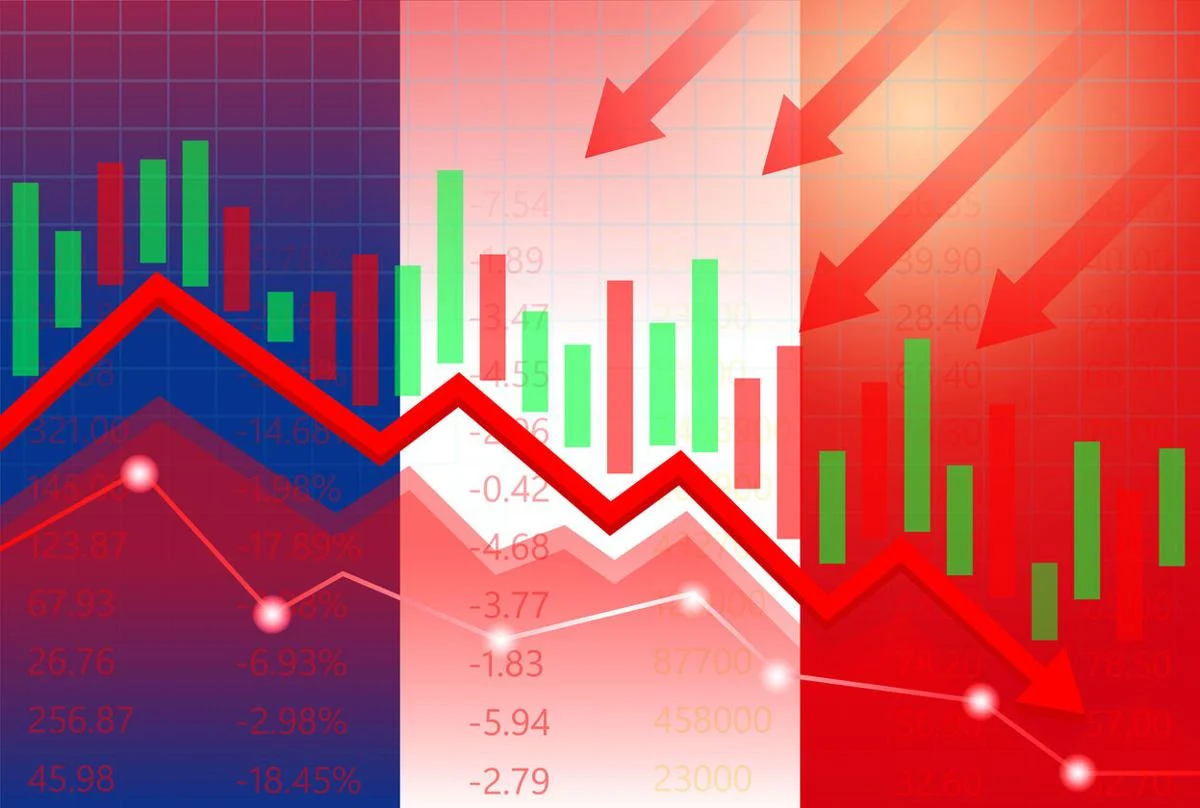
Financial markets have also been responsive to wage and inflation indicators. Bond yields, equity valuations, and currency movements reflect investor expectations of future monetary policy adjustments. Policymakers remain aware that public commentary on wages and inflation must be carefully calibrated to avoid unintended market volatility.
Labor market dynamics remain central to the discussion. Strong employment figures reinforce consumer confidence, yet they also heighten the risk of sustained inflation if wage growth outpaces productivity. Policymakers are weighing targeted interventions that support employment without exacerbating price pressures.
Global factors further influence domestic policy choices. Supply chain disruptions, energy price volatility, and international trade conditions all feed into inflation and wage trends. By assessing these global interconnections, officials aim to create policies that mitigate external shocks while maintaining economic stability.
Public communication is increasingly emphasized. Clear messaging on the relationship between inflation, wages, and policy decisions is critical for maintaining confidence among households and businesses. Misinterpretation of policy intent could lead to behavioral shifts that undermine economic objectives.
Policy instruments under consideration range from monetary adjustments to fiscal measures aimed at targeted relief. By coordinating interest rate guidance with wage-sensitive fiscal interventions, policymakers seek to achieve a balance that preserves affordability without triggering renewed inflation.
Looking ahead, upcoming economic indicators—including labor market reports, consumer spending data, and inflation updates—will play a decisive role in shaping policy decisions. Officials are adopting a cautious, data-driven approach to ensure that measures respond to trends rather than transient fluctuations.
Overall, the focus on inflation and wage dynamics reflects the delicate balancing act facing policymakers. Strategies must safeguard price stability, support household incomes, and maintain economic growth, all while navigating the political and market consequences of policy decisions. The analysis of these interrelated factors is central to ensuring sustainable and broadly beneficial outcomes for the economy.