December 16, 2025
Recent U.S. sanctions have prompted widespread adjustments across global markets, affecting trade flows, currency valuations, and supply chain operations for businesses worldwide.
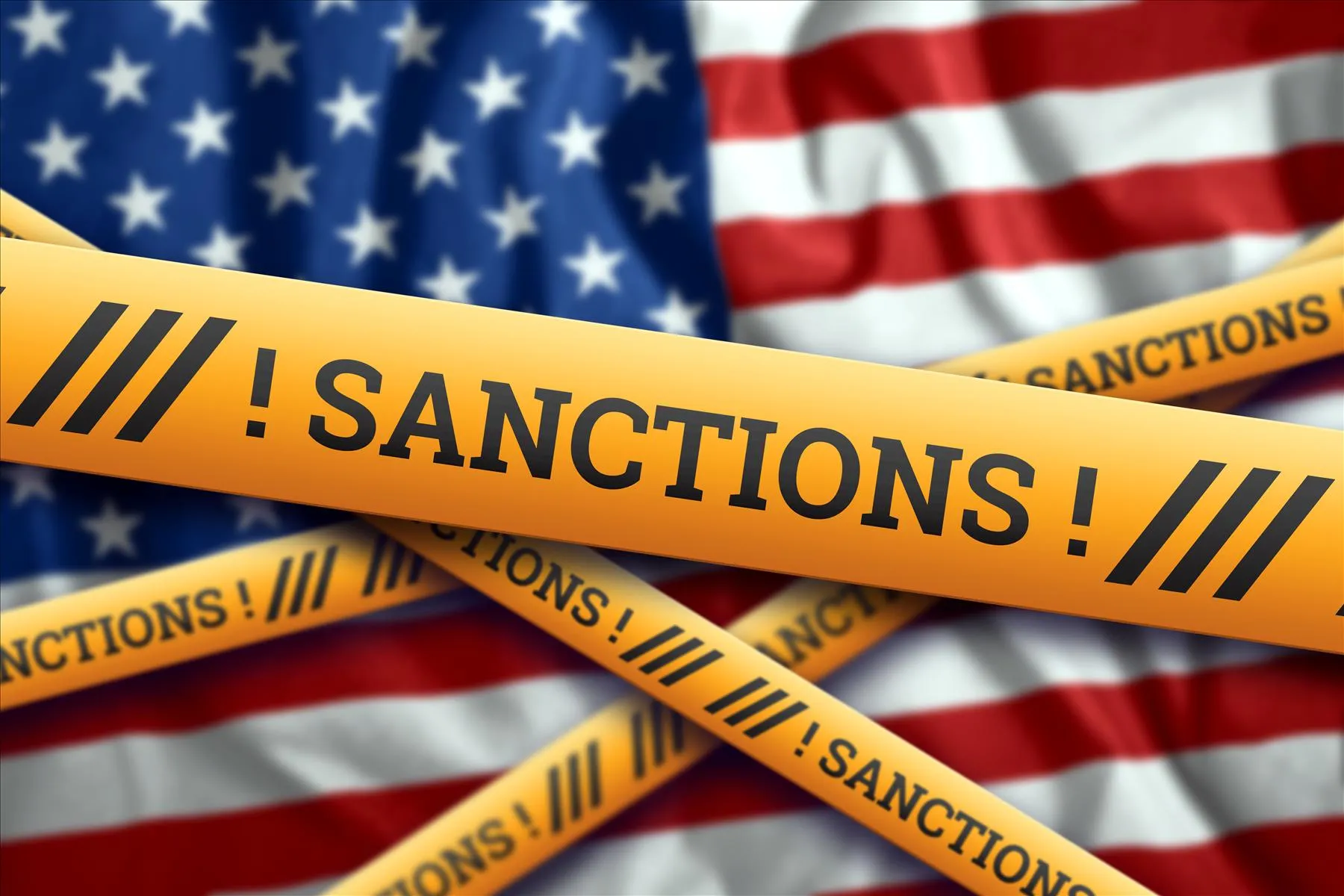
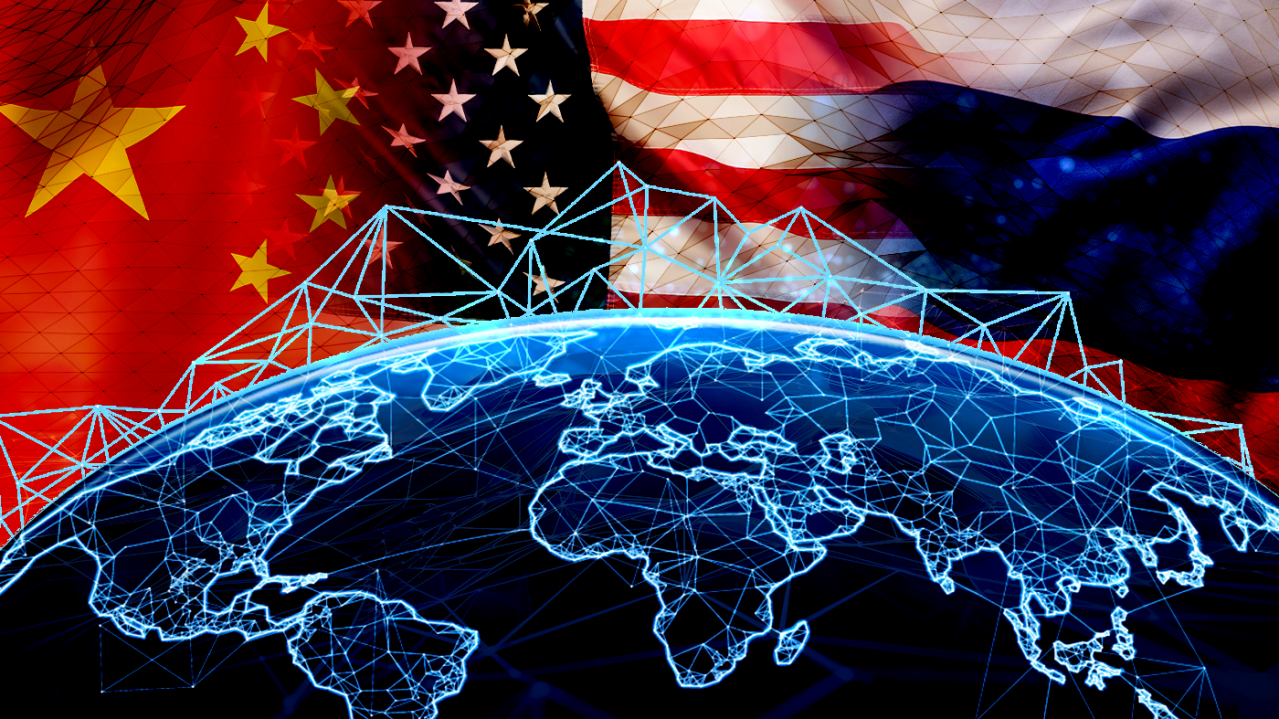
The imposition of U.S. sanctions has triggered ripple effects across the global economy, highlighting the interconnectedness of international trade, finance, and geopolitical dynamics. Markets, governments, and businesses are recalibrating strategies in response to shifting regulations and potential disruptions to established economic relationships.
Trade patterns have been particularly affected. Countries and corporations reliant on sanctioned regions are exploring alternative suppliers, routes, and financial channels to mitigate disruptions. Exporters and importers are revising contracts and delivery schedules, reflecting a heightened sensitivity to compliance requirements and potential penalties.
Financial markets have also felt the impact. Investors are reassessing risk exposure, adjusting portfolios, and monitoring currency fluctuations as uncertainty permeates cross-border transactions. Sanctions can influence liquidity, capital flows, and credit availability, compelling multinational firms to adopt more cautious financial strategies.
Commodity markets are responding as well. Energy, metals, and agricultural products experience price volatility due to potential disruptions in supply chains. Nations and companies dependent on imports from affected regions are exploring alternative sources, while strategic reserves are being reassessed to maintain stability in domestic markets.
Corporate supply chains are under stress. Manufacturers, distributors, and logistics providers must navigate complex regulatory environments while ensuring continuity of production and delivery. Companies with diversified sourcing and flexible supply networks are better equipped to respond, while others may face operational challenges and increased costs.
Geopolitical considerations are central to these adjustments. The sanctions reflect policy priorities that aim to influence behavior and maintain strategic leverage, yet they also necessitate careful diplomacy. Nations not directly targeted must balance economic interests with diplomatic alignment, leading to recalibrations in trade relations, partnerships, and regional cooperation frameworks.
Policy responses and mitigation strategies are emerging. Governments and industry groups are working to establish contingency plans, foster new trade agreements, and explore alternative financial channels. International organizations are closely monitoring the effects of sanctions to provide guidance and maintain stability in global markets.
The broader implications extend beyond immediate economic adjustments. Sanctions influence long-term investment decisions, regional industrial development, and global trade alignment. Businesses and nations are increasingly considering geopolitical risks as integral to strategic planning, recognizing that economic resilience requires adaptability to changing political landscapes.
Despite these challenges, opportunities exist. Companies that anticipate shifts, diversify operations, and innovate within regulatory constraints can maintain competitiveness. Strategic agility, risk management, and proactive engagement with policymakers become critical in navigating the complex landscape created by sanctions.
In summary, U.S. sanctions are prompting significant adjustments in global economic behavior. Trade, finance, commodities, and corporate operations are all influenced, demonstrating how policy decisions can have far-reaching and multifaceted consequences. Understanding and responding to these changes is essential for maintaining stability, protecting economic interests, and ensuring long-term global growth.