
December 30, 2025
Precious metals reached record levels as investors adjusted positions in response to shifting global risk sentiment, inflation signals, and currency movements.
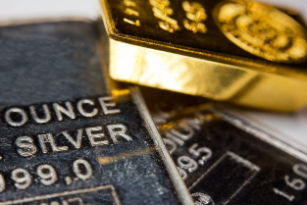
As global investors responded to shifting risk sentiment across financial markets, the price of precious metals surged to all-time highs. A combination of economic instability, fluctuating interest rate expectations, and changes in major currencies strengthened the position of gold, silver, and other important metals as defensive assets during times of transition. Growing caution among investors evaluating the prospects for inflation and global economy drove the increase in gold prices. The demand for safe-haven assets rose as markets considered conflicting economic signals from the US, Europe, and Asia. Precious metals saw a resurgence in demand as investors looked for protection against market volatility in bonds, stocks, and currencies. Silver trailed closely behind thanks to its industrial demand profile and safe-haven appeal. In addition to its long-standing function as a store of value, silver profited from anticipation of increased industrial use as manufacturing activity in some areas appeared to be stabilizing. Due to supply dynamics and predictions for industrial and automotive demand, platinum and palladium also saw increases. The metals rise was mostly driven by changes in the perception of global risk. Investors were encouraged to rotate their portfolios during periods of uncertainty surrounding inflation patterns, monetary policy outlooks, and geopolitical developments. Recent market conditions have confirmed the trend that precious metals tend to draw flows when confidence in riskier assets wanes. Changes in currency provided additional support. Demand for dollar-denominated metals increased when the value of the US dollar declined. Investors became more exposed to gold and other metals as a hedge against exchange rate swings and possible inflation risks as the dollar depreciated versus other major currencies. The price of metals was also impacted by changes in the bond market. The potential cost of storing non-yielding assets like gold was impacted by changes in world yields. Precious metals were more attractive when interest rate drop prospects increased since lower yields lessened the drawback of owning interest-free assets. The metals market was nonetheless supported by central bank actions. As part of reserve diversification initiatives, a number of central banks continued to make consistent purchases of gold. These sustained purchasing patterns gave prices a solid base, boosting institutional investors' confidence. The metals spike was also influenced by the volatility of the equity market. Diversification was encouraged by uneven performance and worries over valuations, even while stock markets reported gains in some places. In times of market uncertainty, investors were able to control portfolio risk by using precious metals as a counterbalance. Although record prices indicate robust demand, analysts point out that the precious metals market is still susceptible to new economic information. Sentiment and price direction can be swiftly influenced by central bank guidance, employment statistics, and inflation reports. Stronger-than-expected growth or abrupt increases in risk appetite could reduce demand for safe havens. Market players anticipate that precious metals will continue to be strongly correlated with the sentiment of risk around the world. Demand will probably continue to be influenced by changes in inflation patterns, monetary policy expectations, and geopolitical circumstances. When investing in metals, investors are expected to keep an eye on both market volatility and macroeconomic data. All things considered, the surge in precious metals to all-time highs emphasizes their continued significance in international markets. Gold and its peers continue to be reliable assets during difficult times as investors negotiate a complicated and changing economic environment, reflecting changes in risk sentiment globally.